Writing
Notes, essays, and research from Old Cape Canaveral.
- Apollo
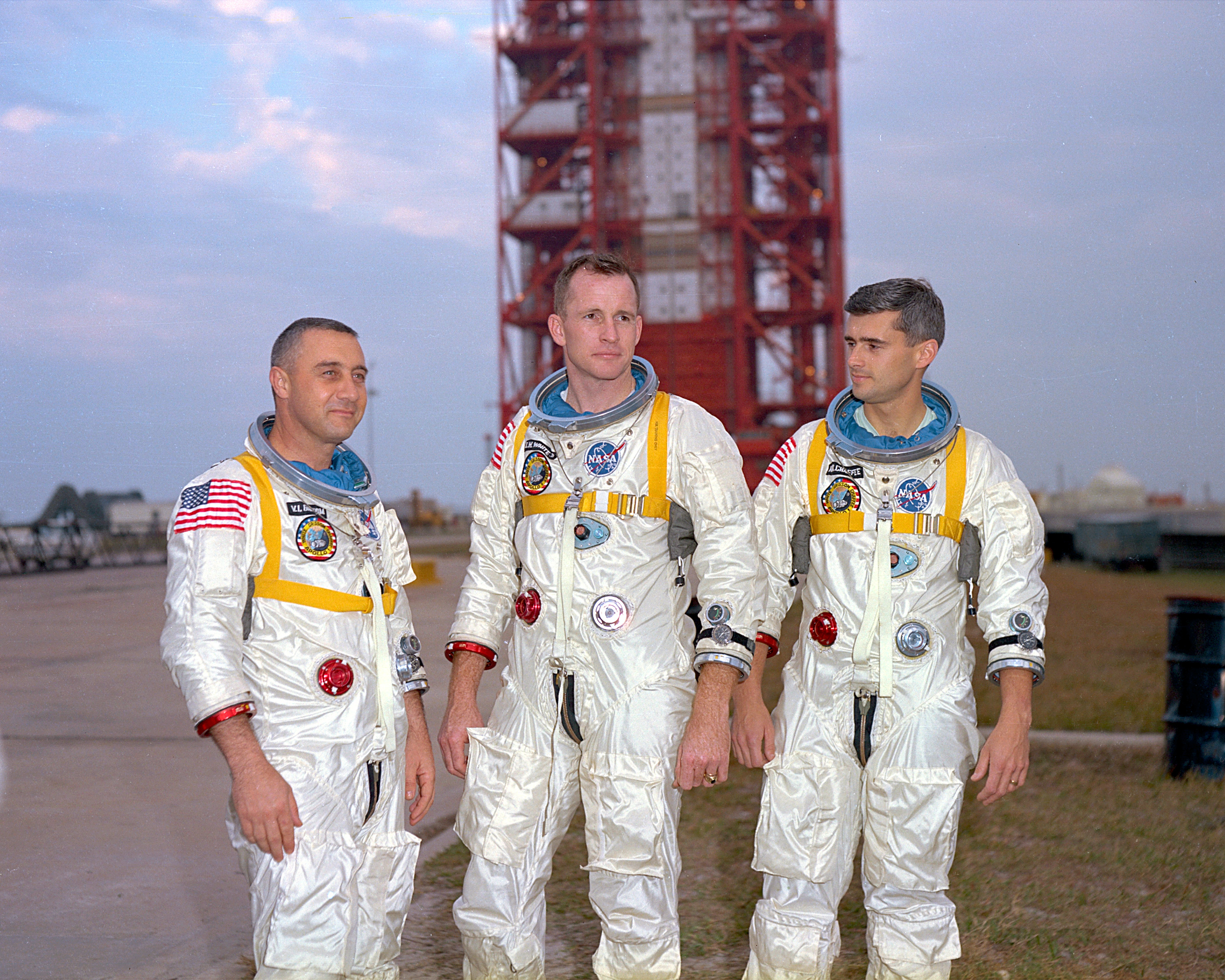
Apollo 1 and Launch Complex 34 : January 27, 1967
The Apollo 1 pad fire killed Gus Grissom, Ed White, and Roger Chaffee on the cape on January 27, 1967. The launch complex is now a national memorial. The accident reshaped the entire Apollo program.
- Editorial
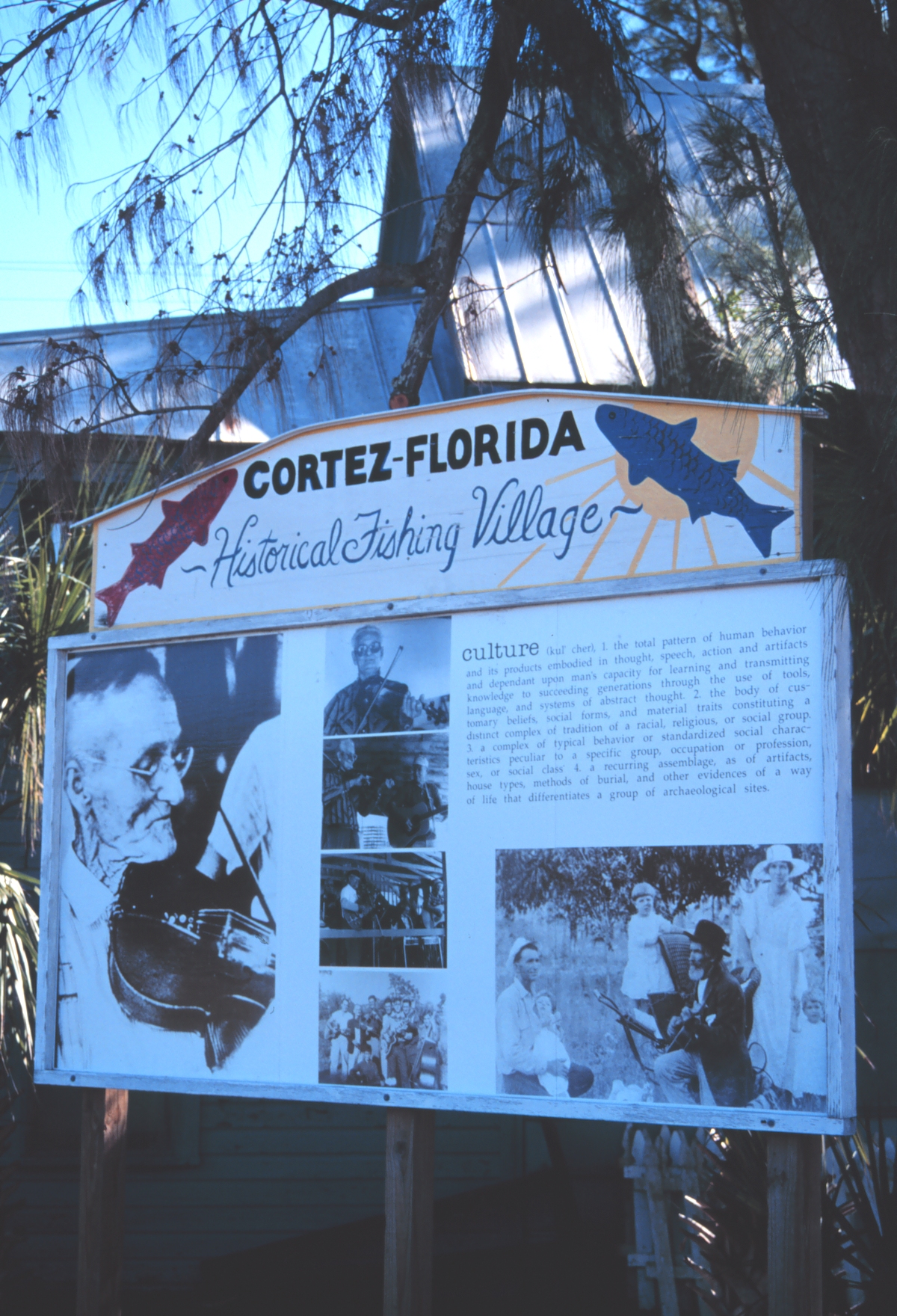
What we lost when the cape became a rocket range
An editorial accounting. The cape's federal acquisition gave the country a launch range and gave the cape's families a 75-year erasure. Both happened. Both should be named.
- Cold War
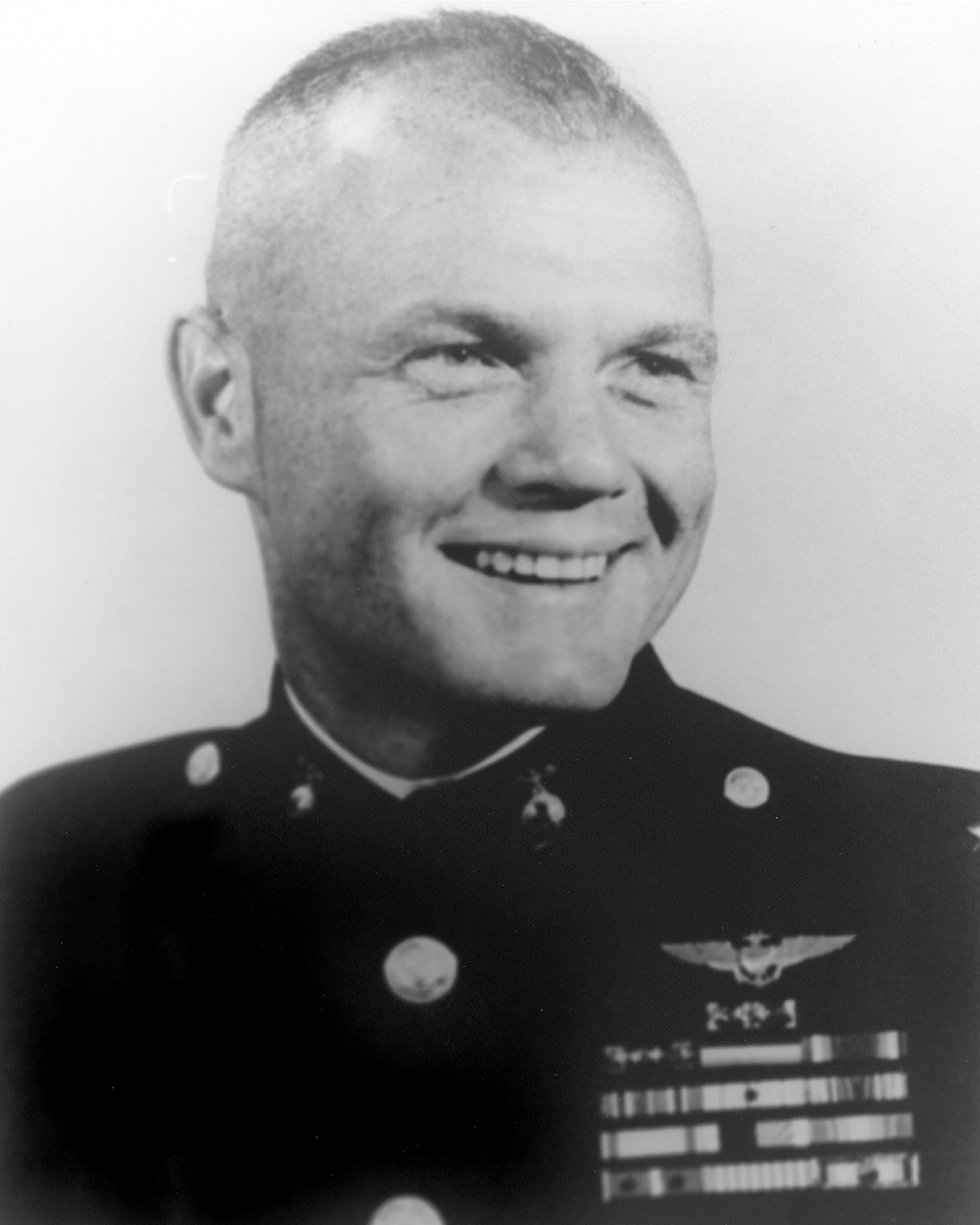
1961 : The Bay of Pigs and the case for Mercury
John F. Kennedy was inaugurated January 20, 1961. The Bay of Pigs invasion failed April 17. Yuri Gagarin orbited April 12. The case for accelerated American spaceflight was made that spring.
- Local history
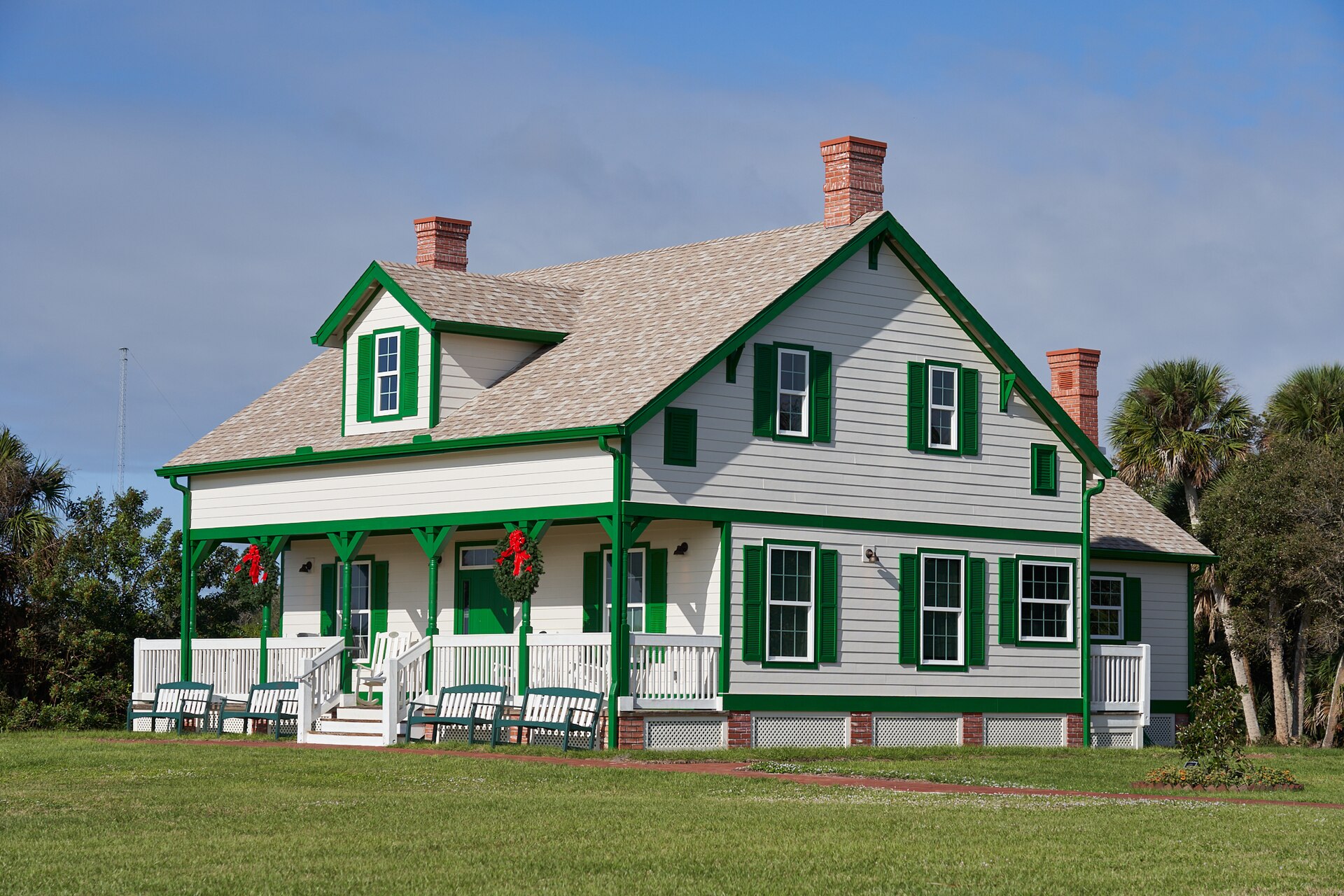
Cape Canaveral schools : from the 1898 one-room schoolhouse to today
The cape's school history runs from an 1898 one-room schoolhouse near the lighthouse to the modern Brevard County school system. Consolidation, NASA-era growth, and the cape's two school identities.
- Local history
The Cape Canaveral cemeteries : pre-1949 graves on a launch range
Two small cemeteries on Cape Canaveral Space Force Station hold burials from the cape's pre-1949 fishing village. Descendants can request access. The graves themselves cannot be moved.
- Local history
Jetty Park : Port Canaveral's south jetty turned public park
The south jetty at Port Canaveral's channel entrance was federal property until 1989, when it became Jetty Park. The 35-acre park is the cape's best public launch-viewing spot.
- Lighthouse
The Cape Canaveral Lighthouse Foundation and the 2007-2008 restoration
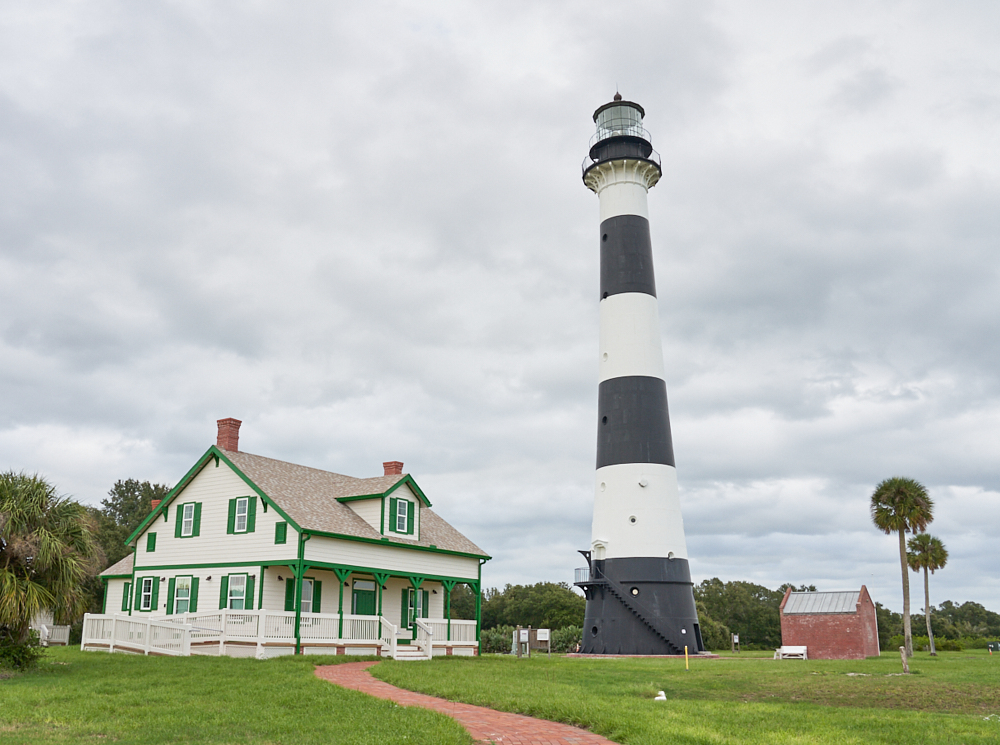
Volunteers founded the Lighthouse Foundation in 2002 to keep the 1894 iron tower from rusting into the sand. The 2007-2008 restoration sandblasted it down to bare metal and painted it back to the 1894 daymark.
- Modern era
SpaceX returns the Cape to glory, 2010 to now
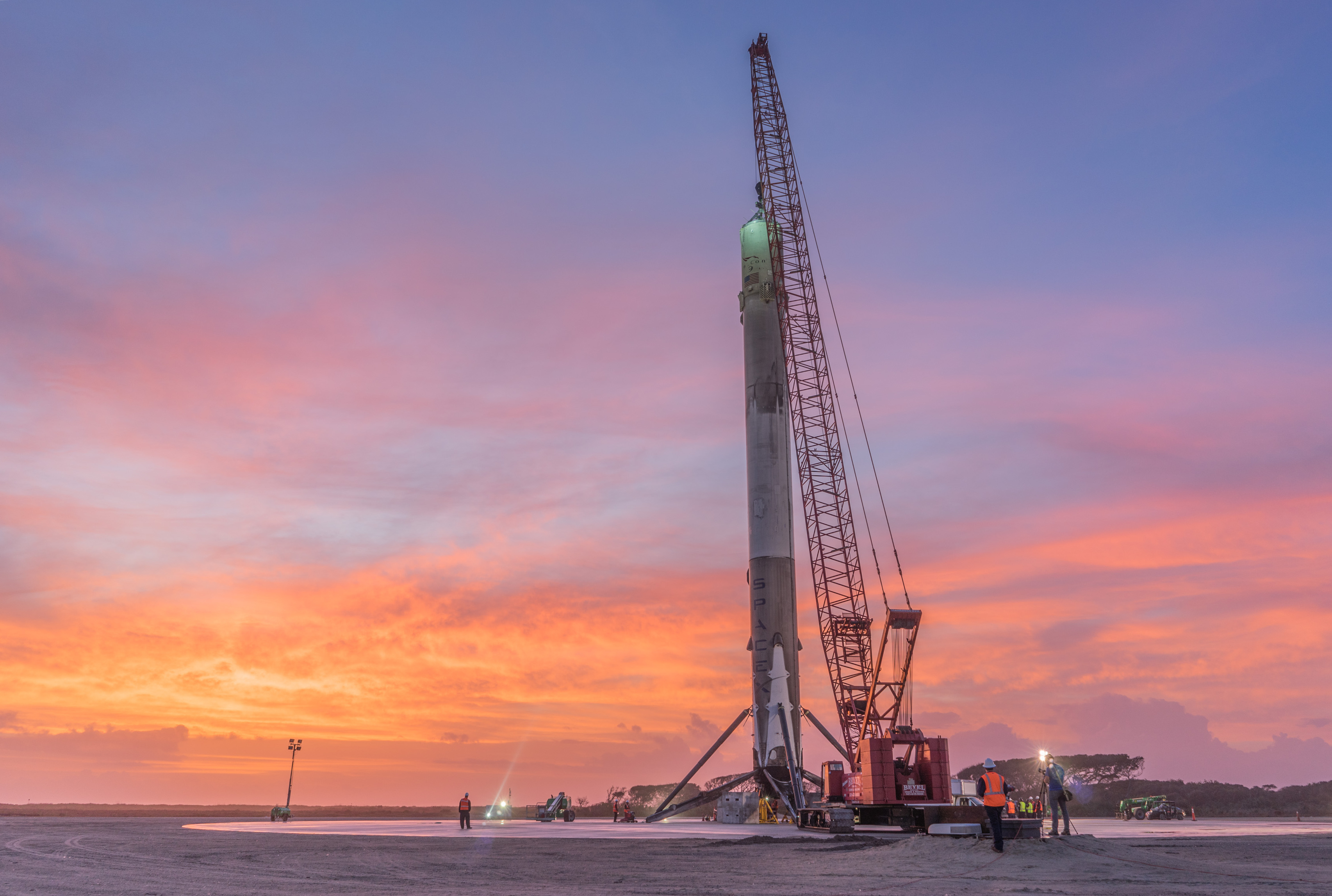
Falcon 9 first flew from Cape Canaveral in June 2010. By 2024, SpaceX flew nearly 100 missions a year from the cape. Reusable boosters, Crew Dragon, the Starlink cadence : the cape is the busiest launch site in human history.
- Modern era
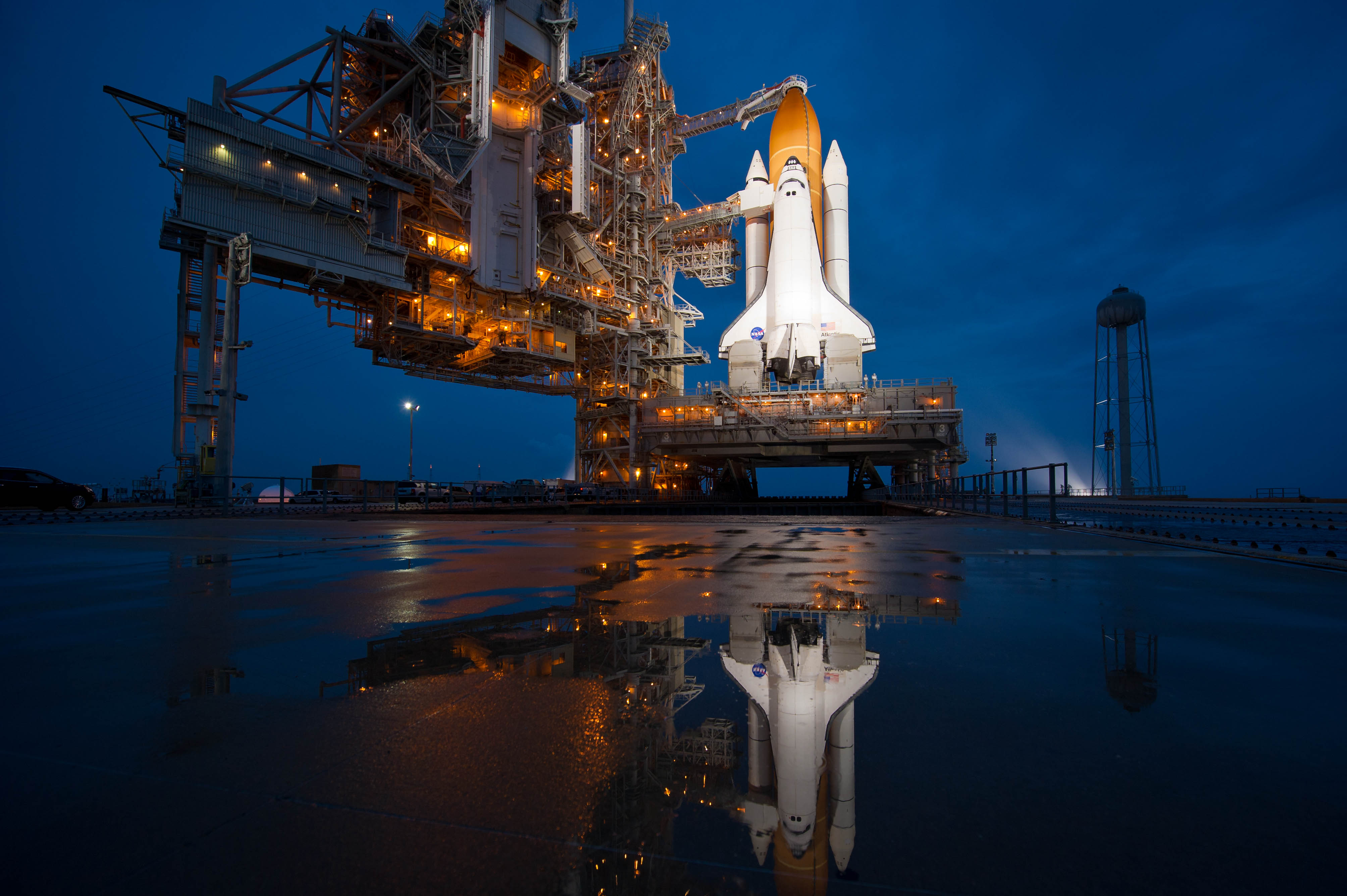
The 1990s lull and the Space Florida era : the cape's lean decade
After Apollo and before SpaceX, the cape ran on Shuttle operations and not much else. The 1990s and 2000s were a lean economic period that nearly broke the local launch industry.
- Wildlife
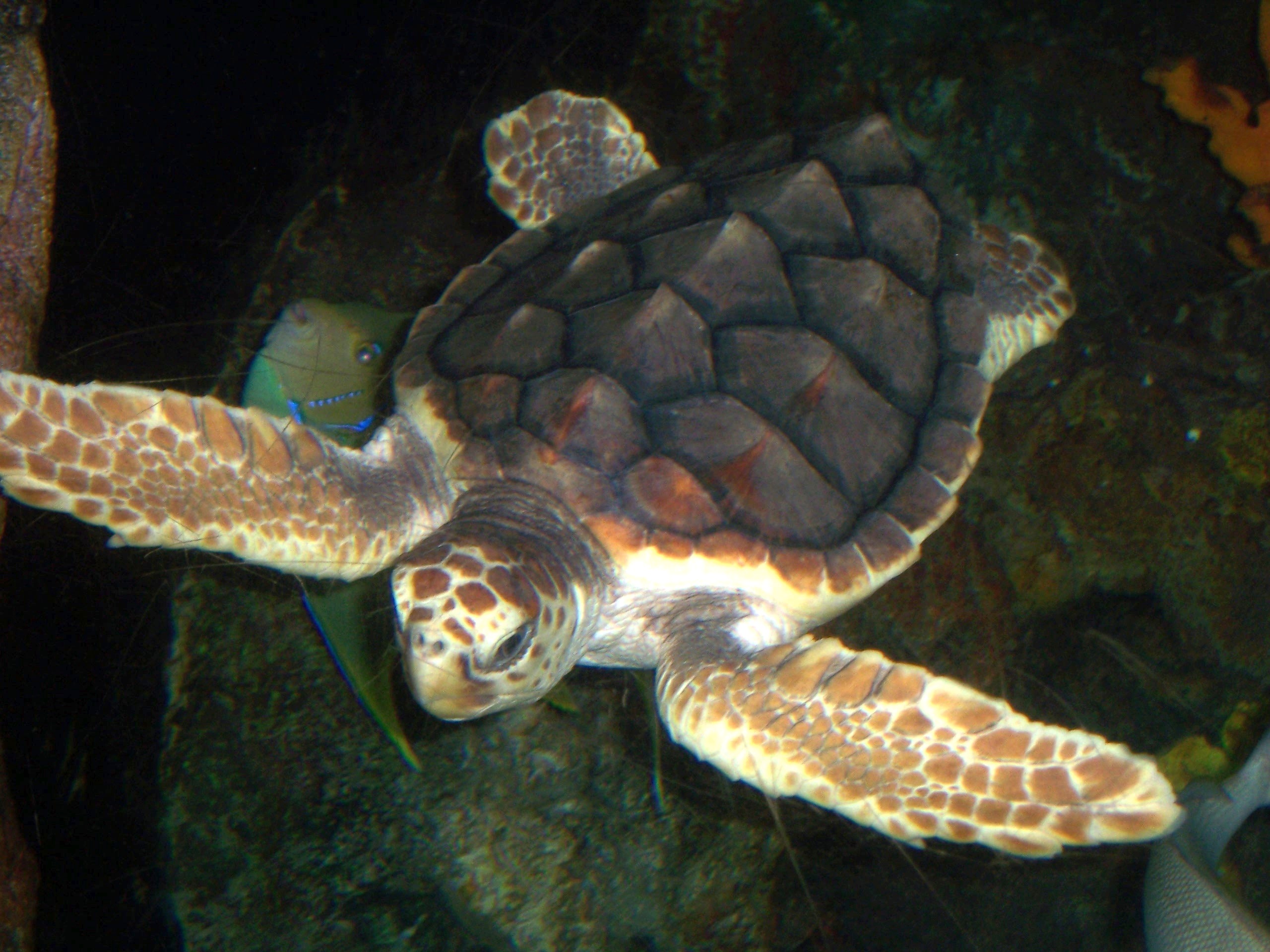
Cape Canaveral sea turtles : the closed beach as nesting sanctuary
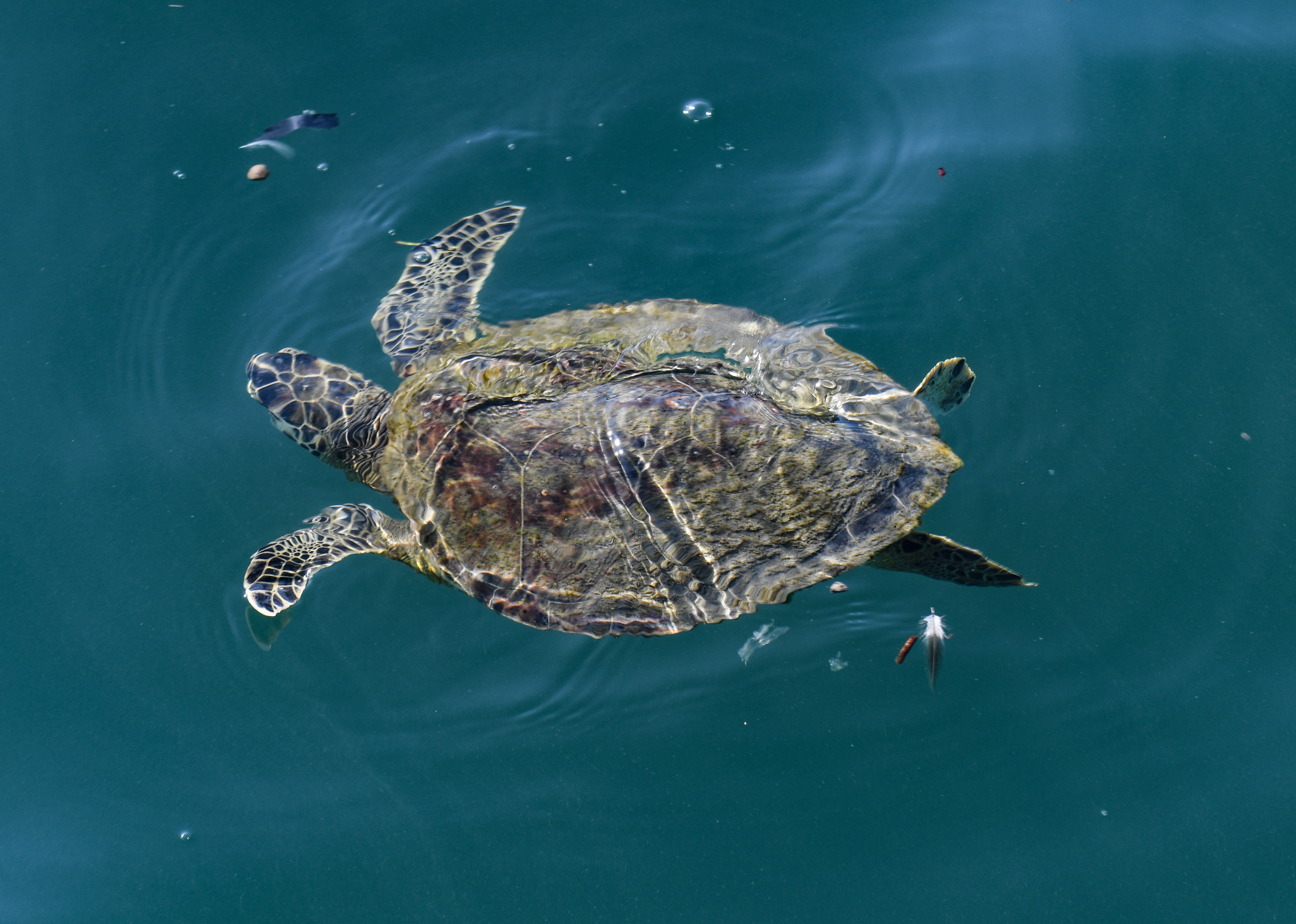
The 21 miles of Atlantic beach inside Cape Canaveral Space Force Station are closed to the public. They are also one of the most important sea-turtle nesting sites in the Western Hemisphere.
- Shuttle
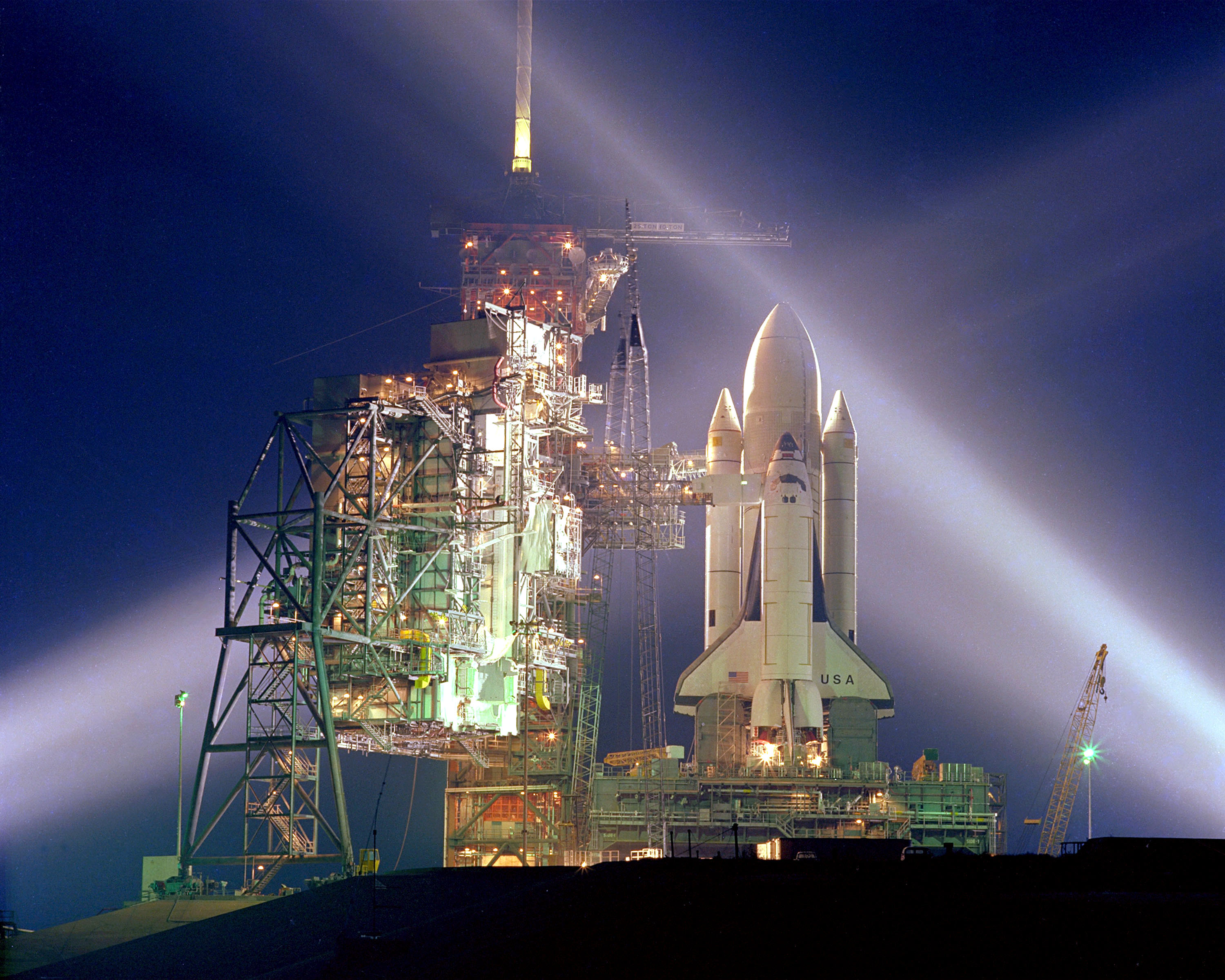
The Shuttle era : 135 launches, 30 years, two losses, 1981 to 2011
From STS-1 in April 1981 through STS-135 in July 2011, the Space Shuttle flew 135 missions out of the cape's adjacent KSC. The vehicle was complicated, expensive, sometimes deadly, and astonishing.
- Port
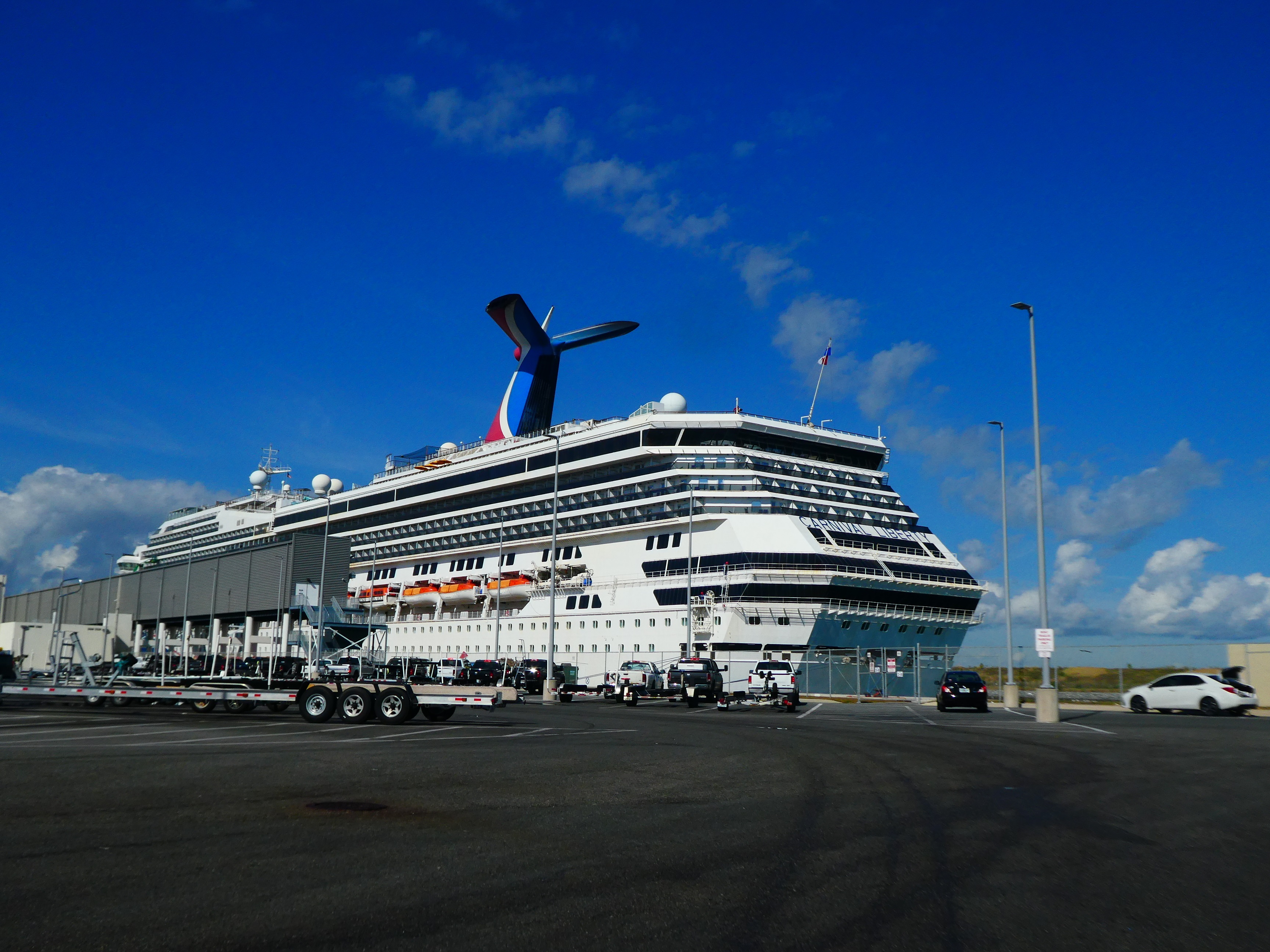
The cruise port boom : Carnival, Disney, Royal Caribbean, 1990 to 2020
How Port Canaveral went from 300,000 annual cruise passengers in 1990 to 6 million by 2025. Three cruise lines, three decades, one fundamental change to Brevard County's economy.
- Port
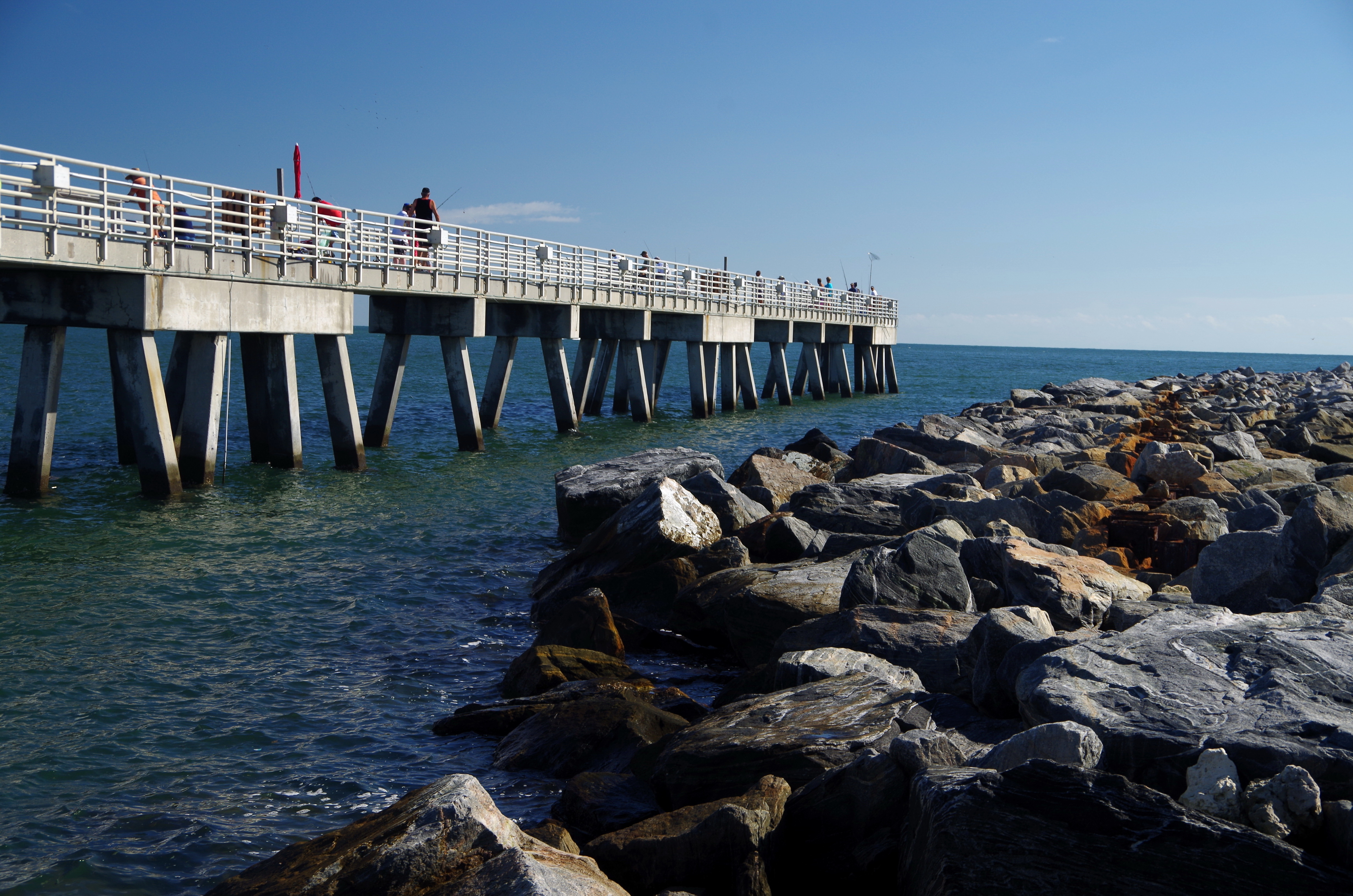
Port Canaveral, 1953 to today : channel, port, cruise mega-hub
The Canaveral Port Authority opened the dredged channel in 1953 as a military supply port. Seventy years later it's the second-busiest cruise port in the world.
- Shuttle
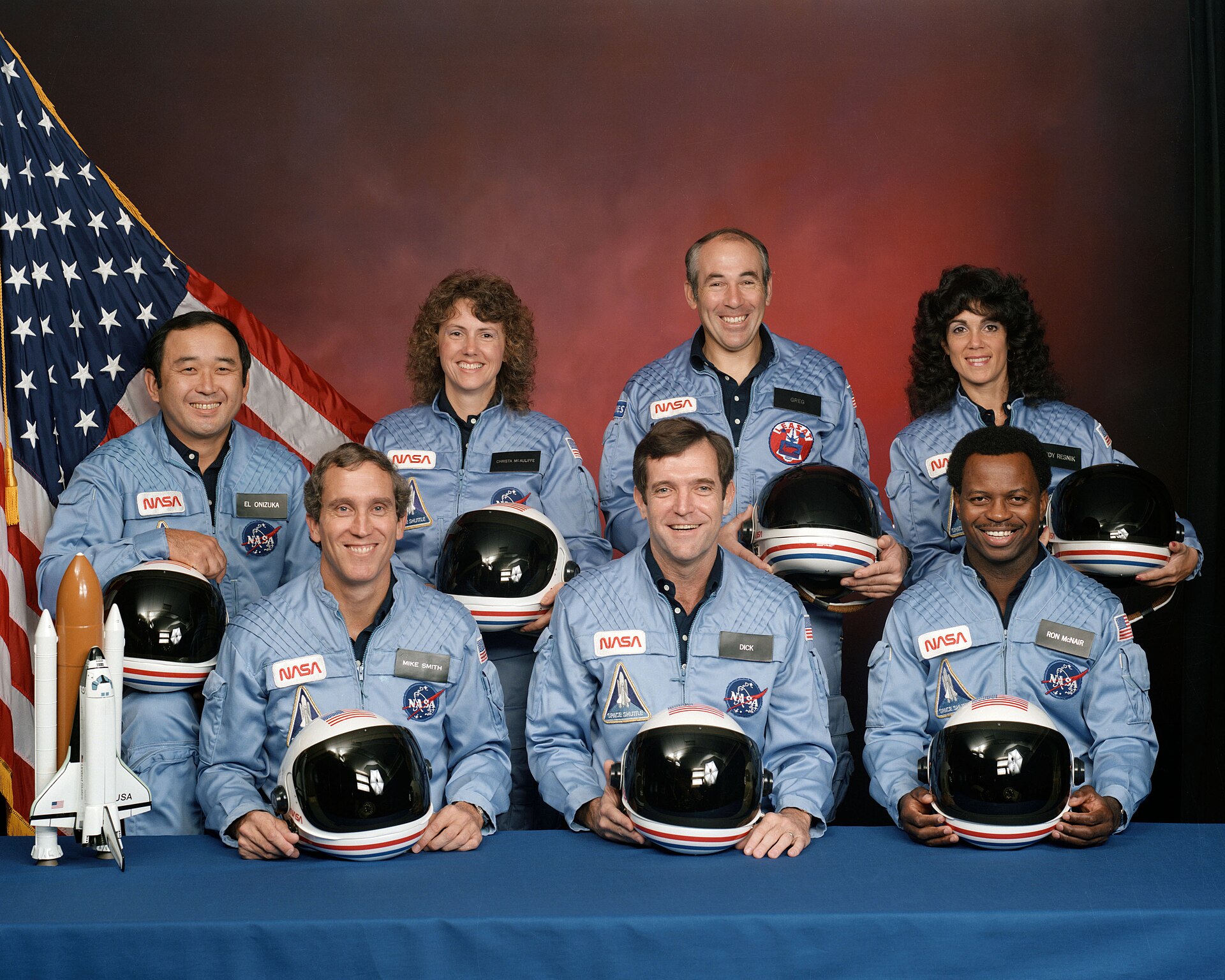
Challenger and the Cape : January 28, 1986
The Challenger broke apart 73 seconds after liftoff on January 28, 1986. Seven crew died. The cape watched it happen in person and on television. The cape's grief was a community grief, not just NASA's.
- Local history
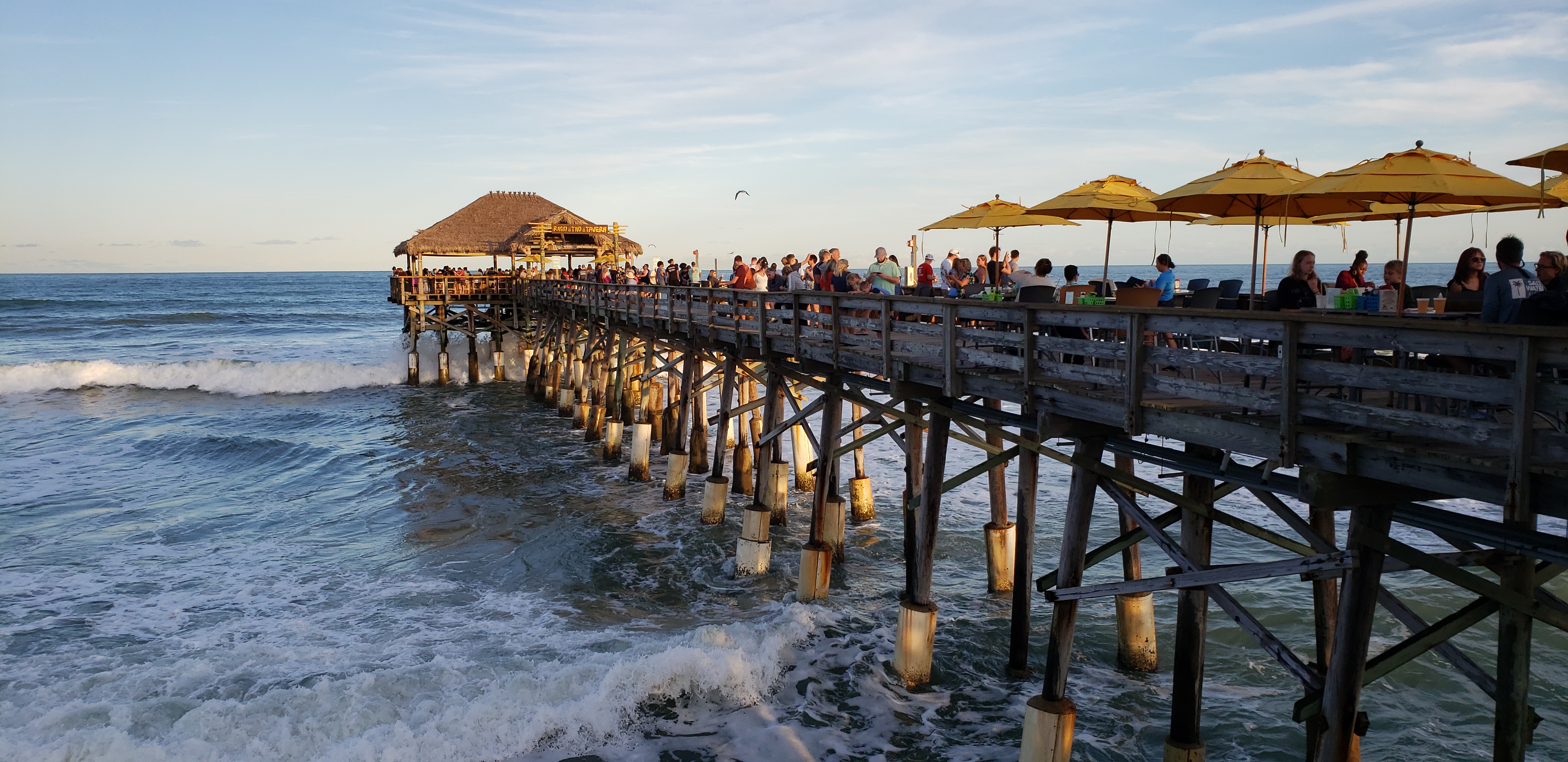
The Cocoa Beach Pier era : where astronauts and surfers ate
The Cocoa Beach Pier opened in 1962 and became the de facto astronaut canteen, surfer hangout, and tourist landmark of the Apollo era. The Cape was the workplace. The pier was the off-hours.
- Military
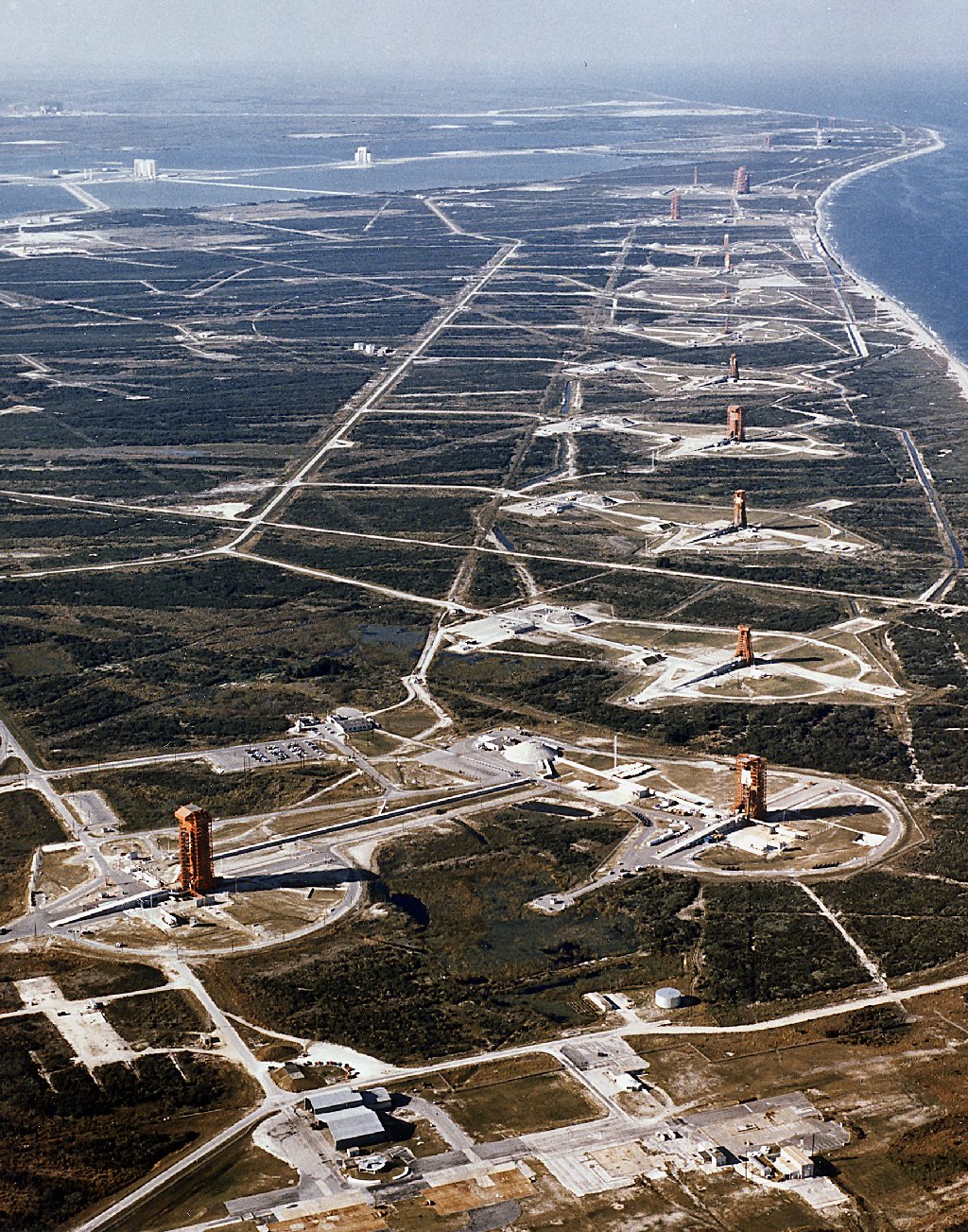
The Air Force Eastern Test Range : telemetry, range safety, downrange stations
Every cape launch depends on a 10,000-mile telemetry network running from Florida to the Indian Ocean. Antigua, Ascension, Diego Garcia. The cape's range is bigger than the cape.
- Apollo
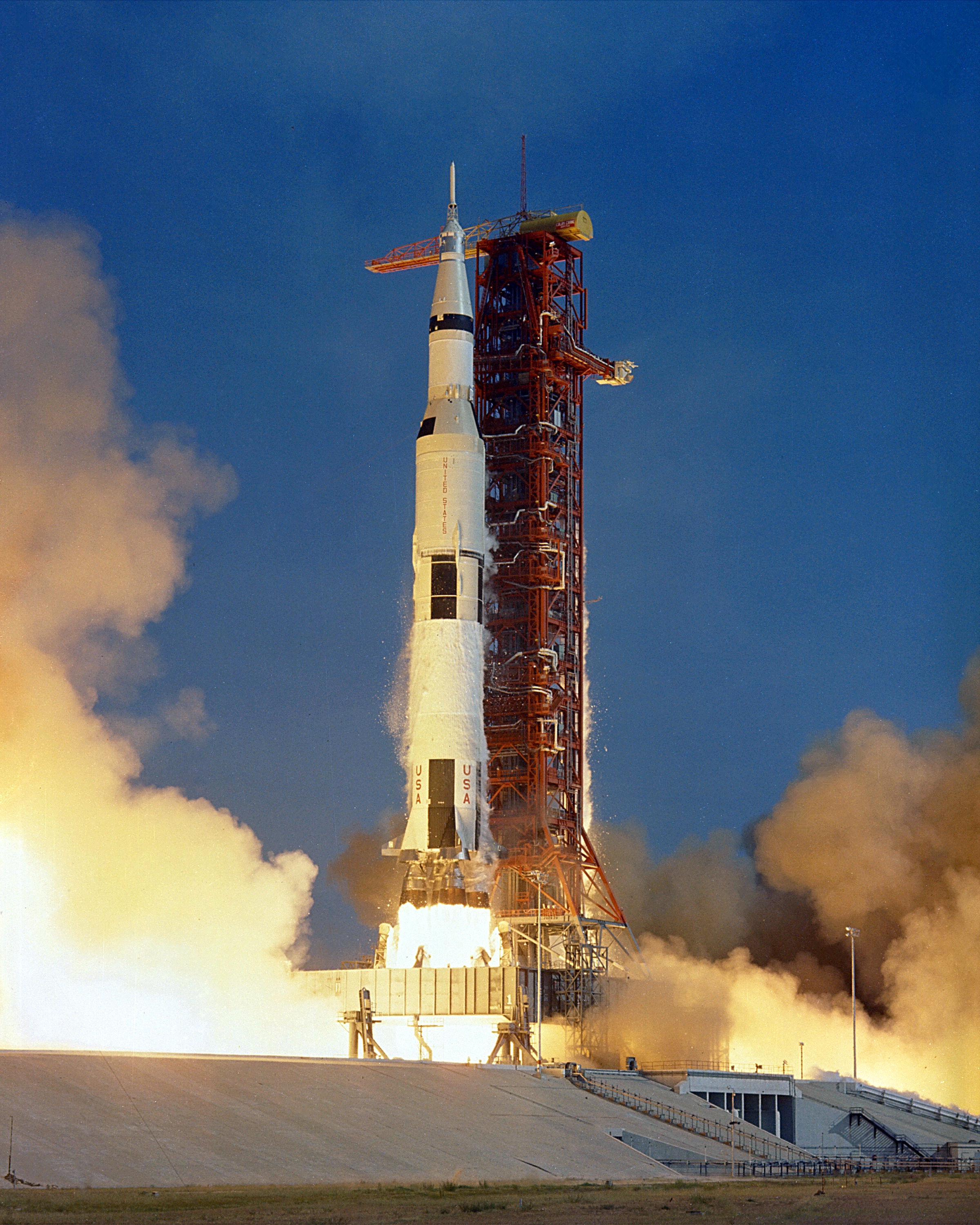
Apollo at the Cape vs Apollo at Kennedy Space Center
Apollo's early testing happened at Cape Canaveral Air Force Station. The actual lunar launches happened from Kennedy Space Center on adjacent Merritt Island. The distinction matters historically and geographically.
- Gemini
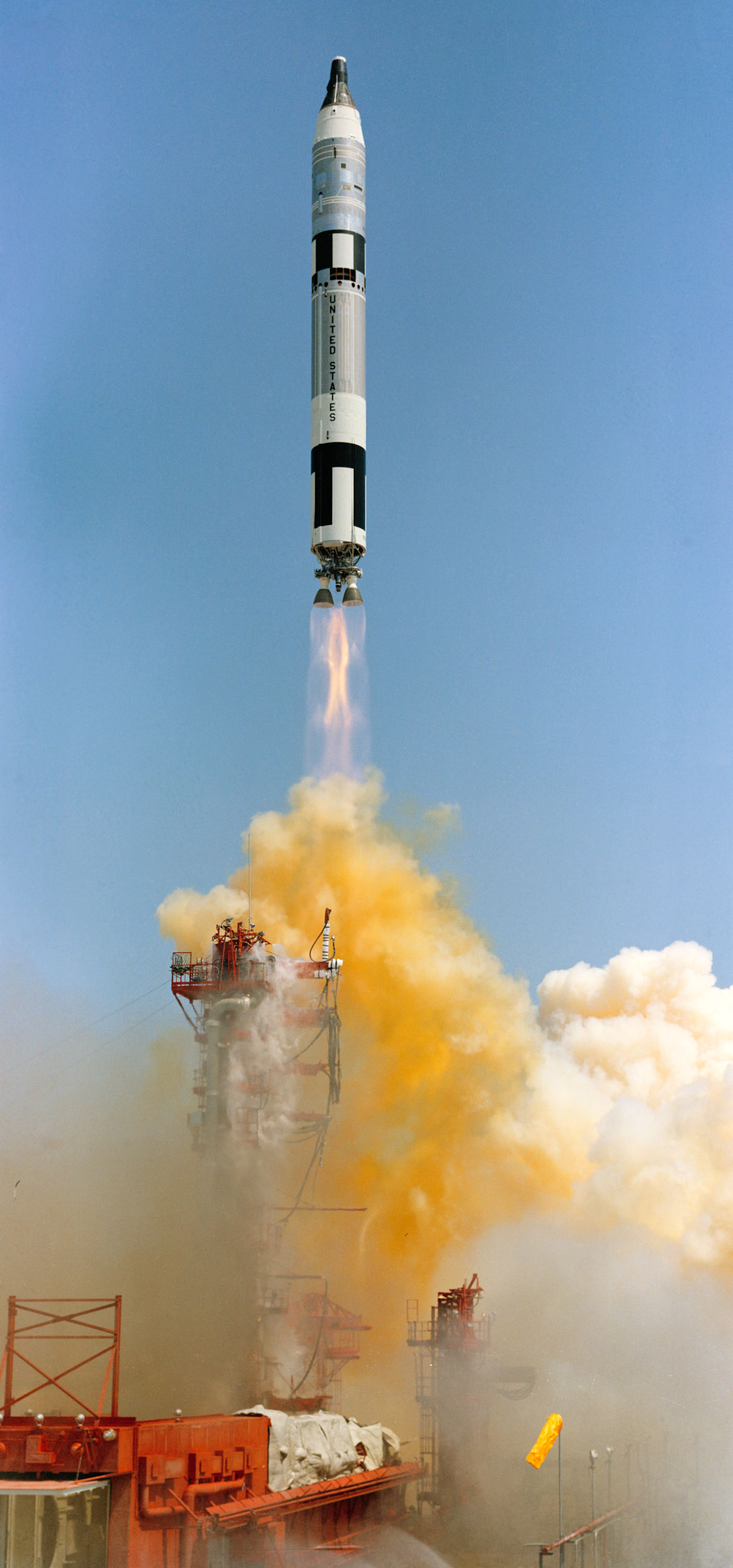
Project Gemini at the cape, 1965 to 1966
Ten crewed Gemini missions launched from Cape Kennedy in 21 months. They proved rendezvous, EVA, two-week endurance, and the operational tempo Apollo would need. The cape ran the operations.
- Local history
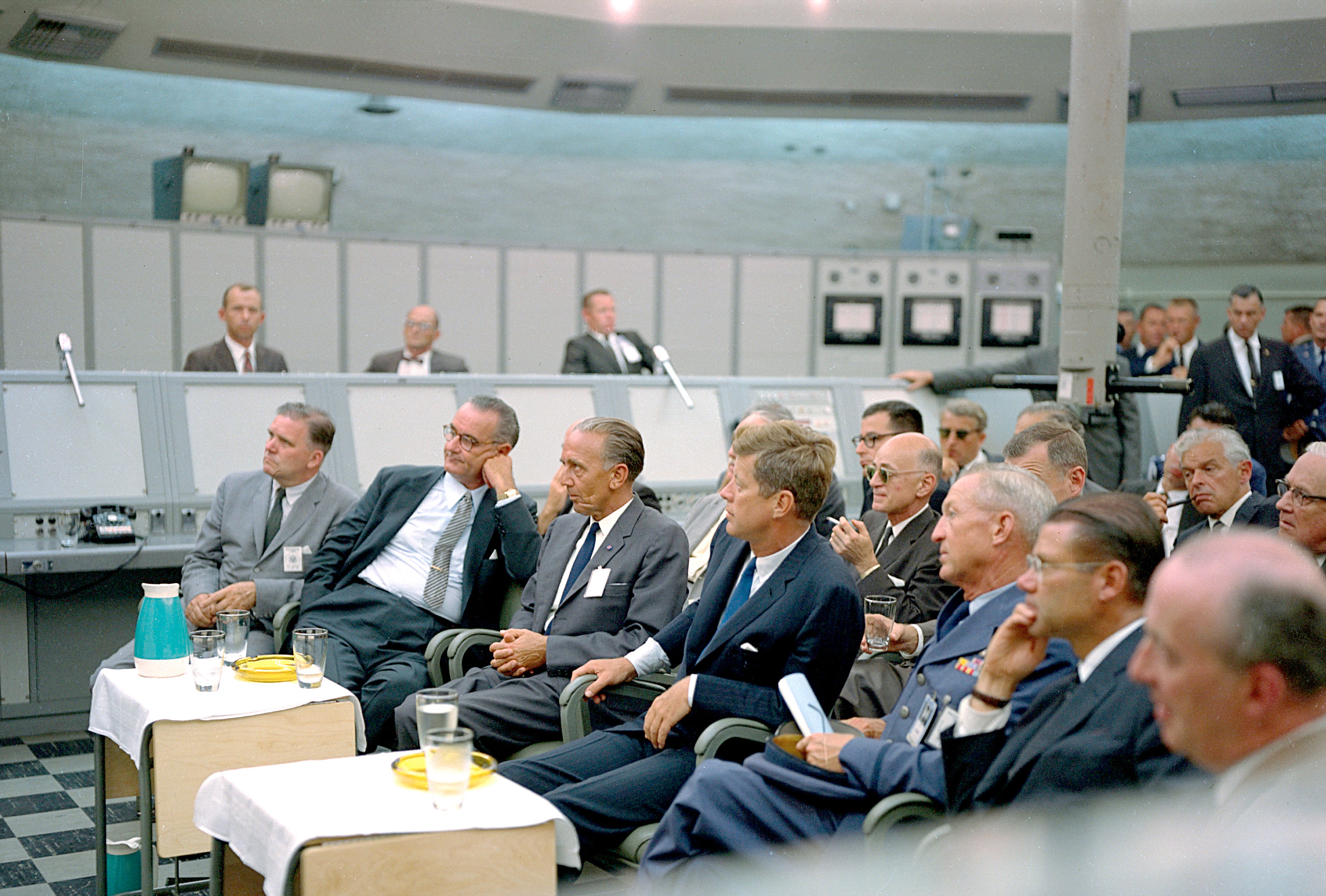
Cape Kennedy and back, 1963 to 1973
Lyndon Johnson renamed Cape Canaveral as Cape Kennedy six days after JFK's assassination. Florida changed it back ten years later. The federal facility kept the Kennedy name. The peninsula did not.
- Mercury
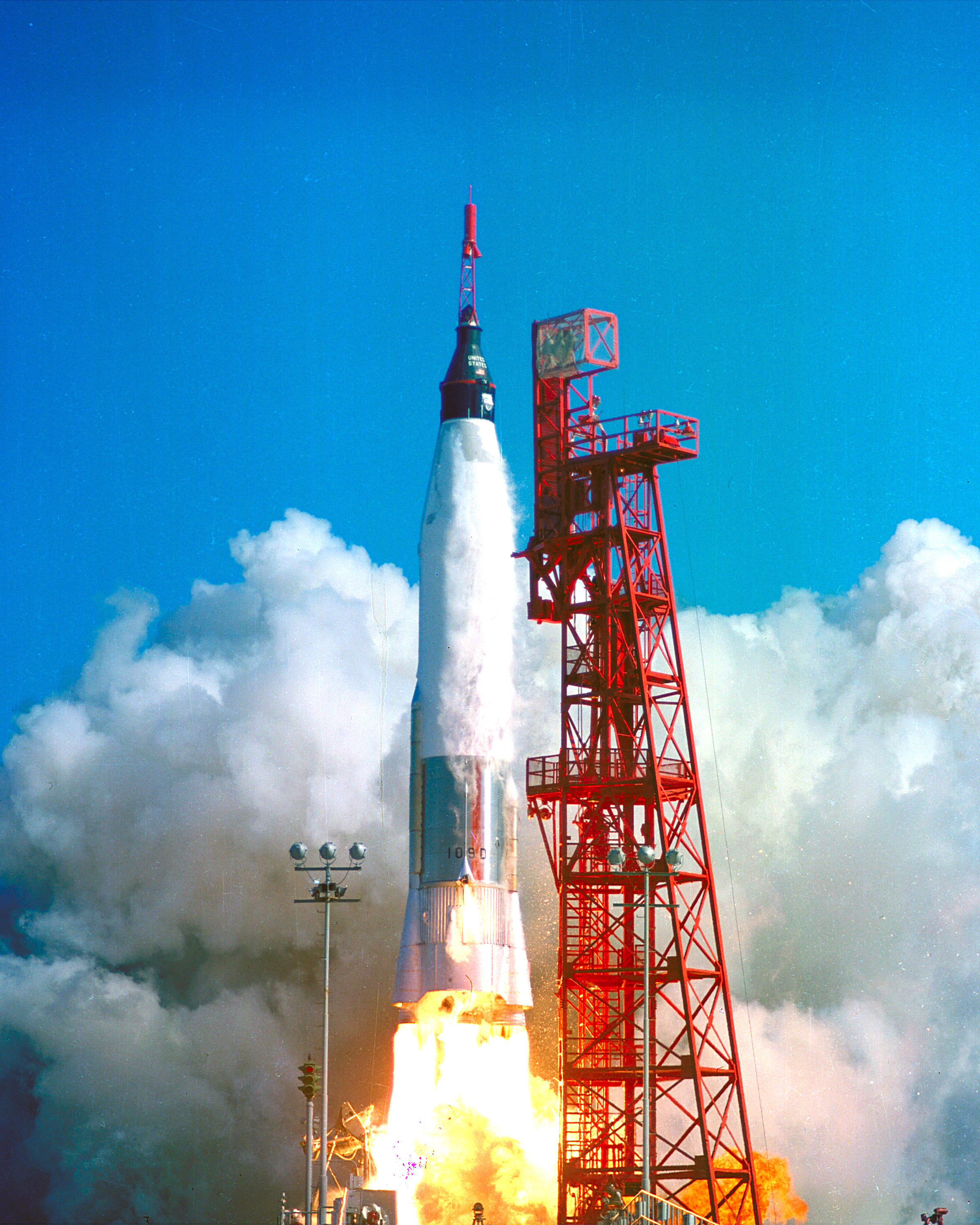
Mercury at the cape : Friendship 7, Aurora 7, Sigma 7
Three orbital Mercury missions launched from Cape Canaveral in 1962: John Glenn on February 20, Scott Carpenter on May 24, Wally Schirra on October 3. The cape became the address of American spaceflight.
- Local history
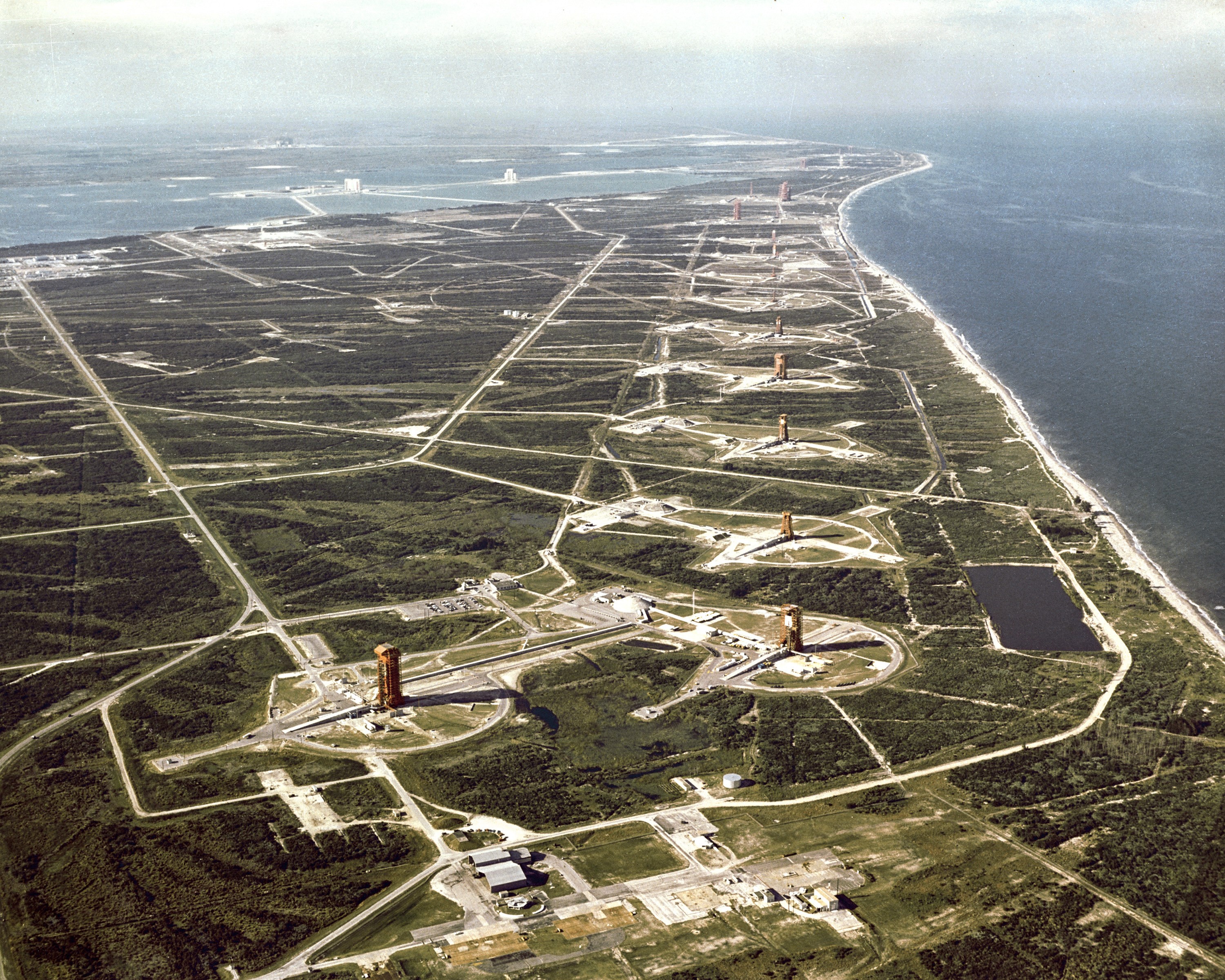
The City of Cape Canaveral incorporated, 1962
How the displaced cape residents and a wave of NASA-era arrivals incorporated a new city on the south end of the peninsula in May 1962, outside the federal launch range.
- Local history
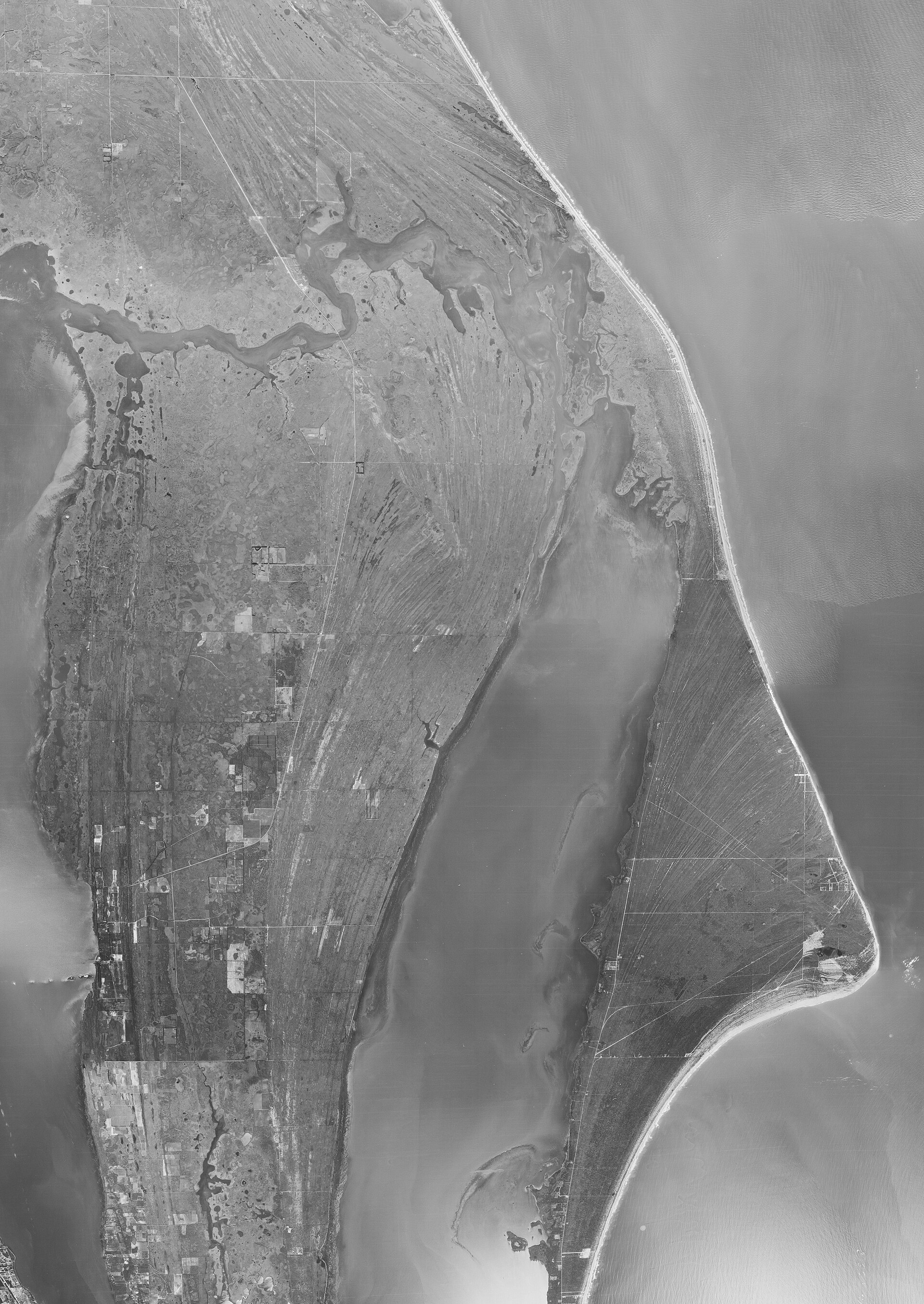
The cape before NASA : Cape Canaveral the fishing village
Before the launch pads, a few hundred people lived on the cape. They fished, ran orange groves, kept the lighthouse, buried their dead in two cemeteries on the dunes. The federal government bought most of them out in 1949.
- Cold War
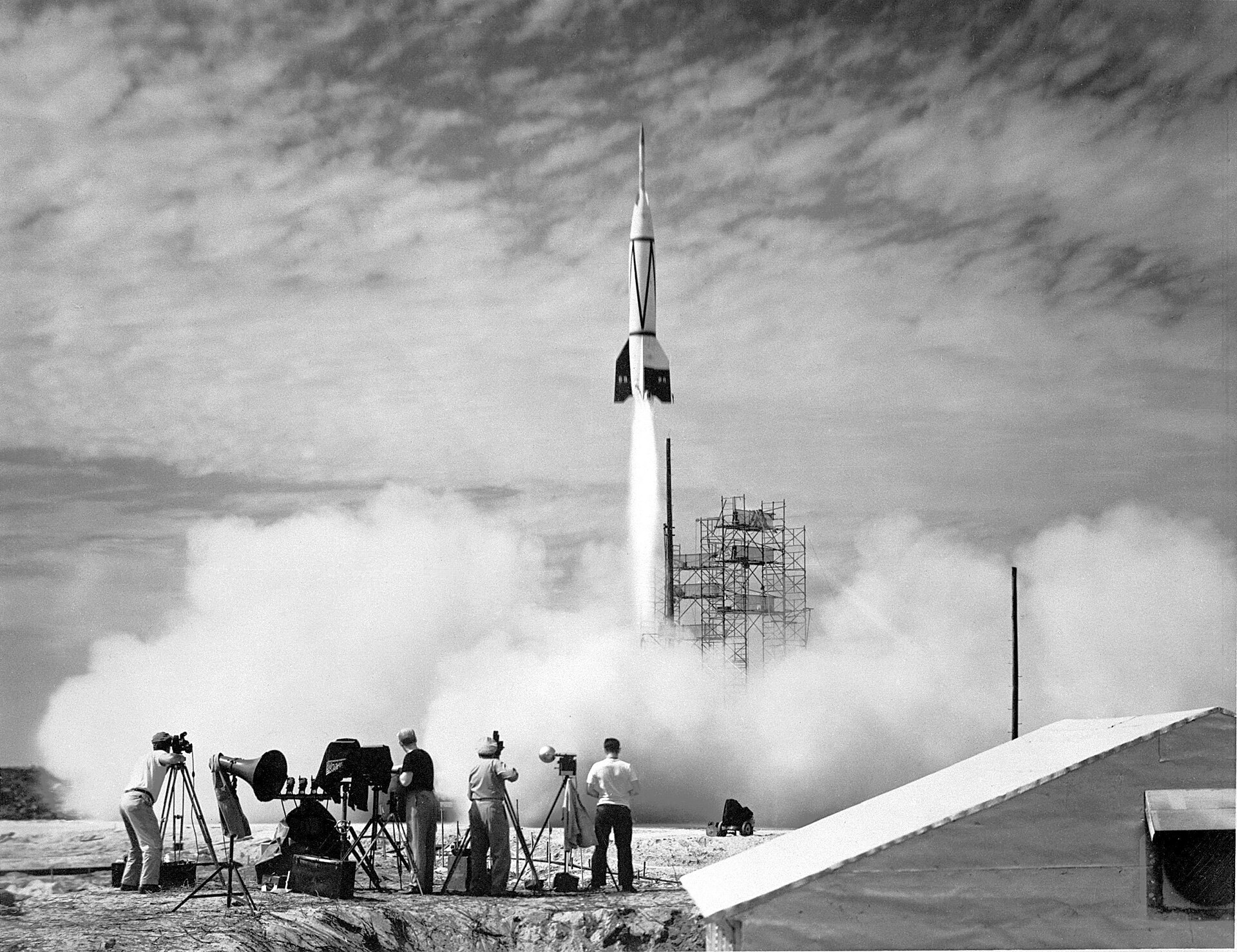
Bumper 8 : July 24, 1950, the cape's first launch
A V-2 first stage with a WAC Corporal second stage, lifted off Launch Complex 3 at Cape Canaveral on July 24, 1950. The rocket reached 30 miles. The cape's launch history started here.
- Cold War
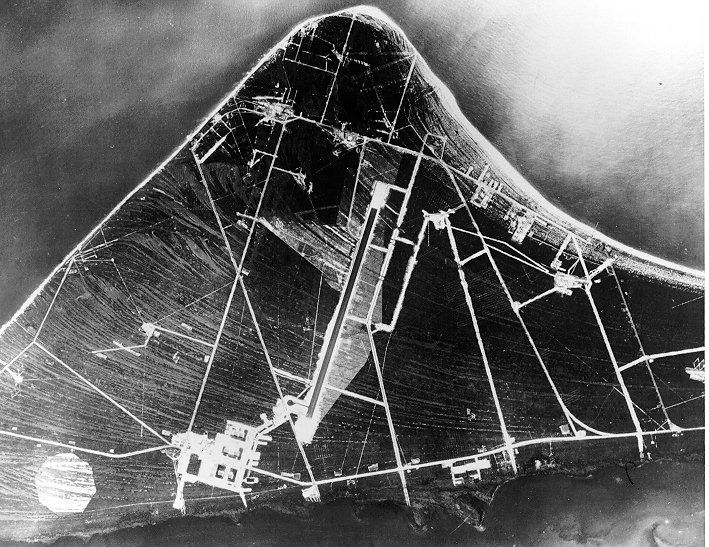
The Joint Long Range Proving Ground, 1949
Why the Department of Defense picked the cape: overwater range, scrubland buffer, latitude that helped the math, and a Navy base already on the property.
- Military
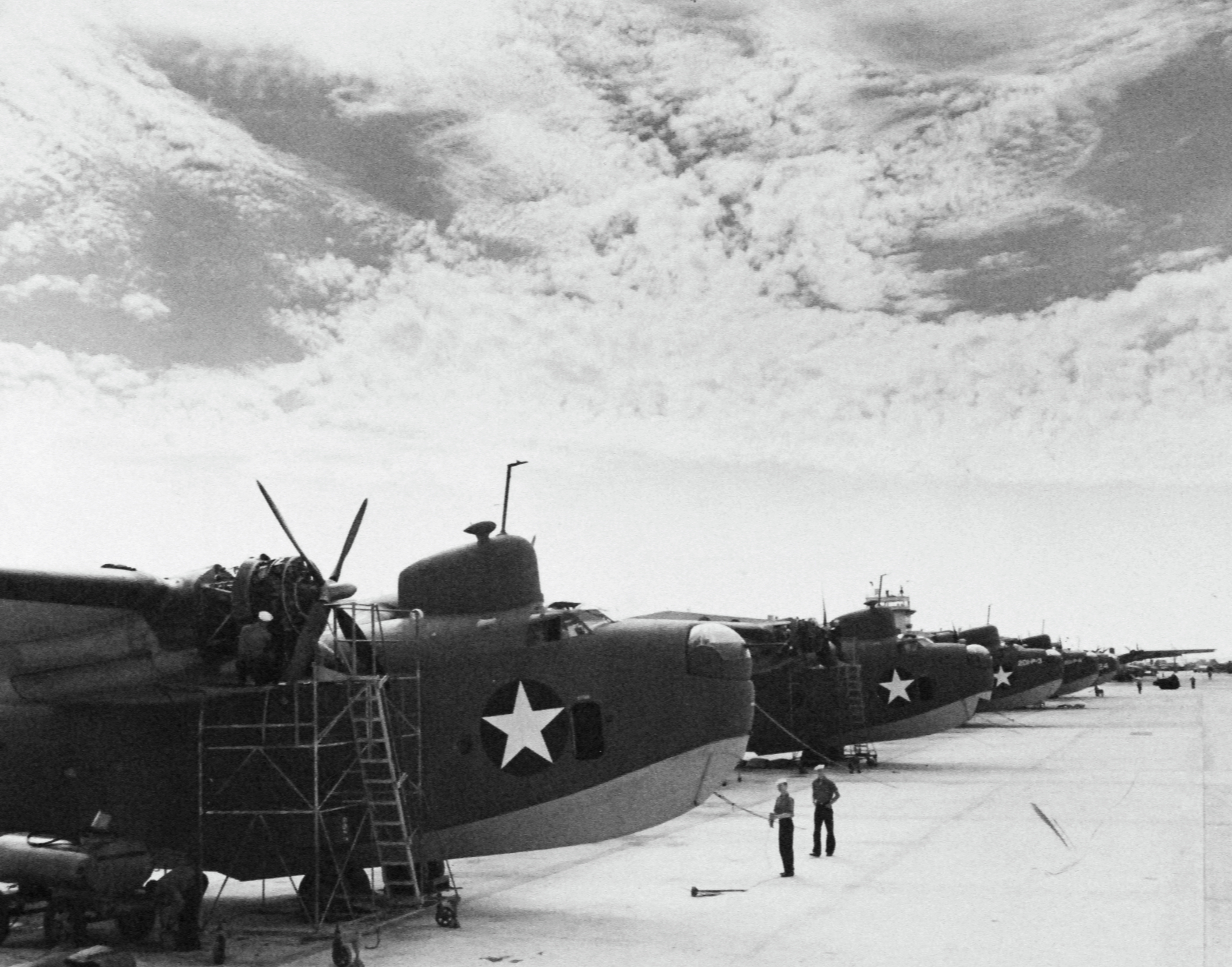
The Banana River Naval Air Station, 1940 to 1947
A patrol bomber base that pulled the cape into World War II: PBY Catalinas, PBM Mariners, anti-submarine patrols, hurricane reconnaissance, and the postwar transfer to the Air Force.
- Pre-Columbian
The Ais at the cape and the Spanish, 1565 to 1763
Before the lighthouse, before the rocket range, the cape was Ais territory. The Spanish met them, fought them, and watched the population collapse within two centuries.
- Lighthouse
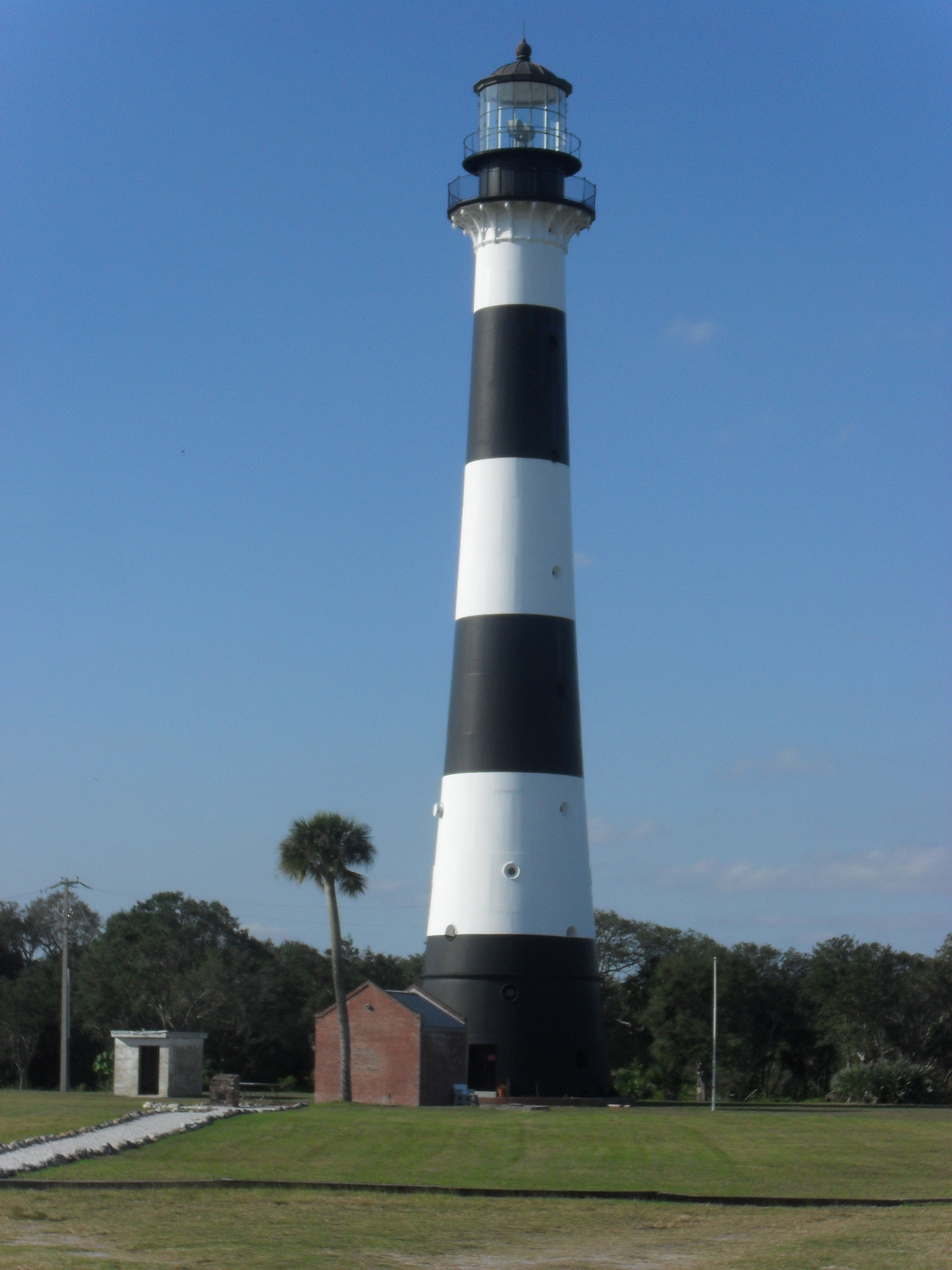
The Cape Canaveral Lighthouse, 1848 to today
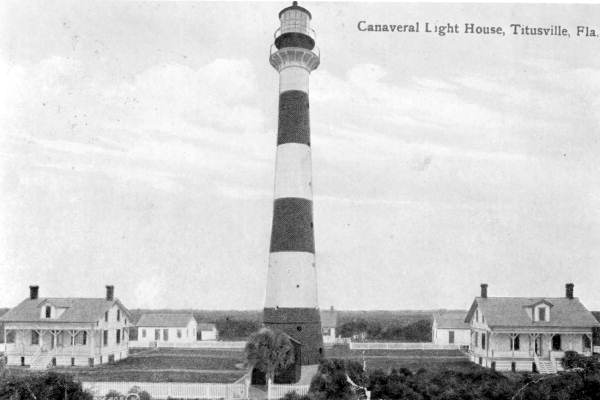
The lighthouse the launches grew up around: 1848 brick tower, 1868 iron replacement, 1894 inland move, automated 1967, still operating in 2026.