The City of Cape Canaveral incorporated, 1962
How the displaced cape residents and a wave of NASA-era arrivals incorporated a new city on the south end of the peninsula in May 1962, outside the federal launch range.
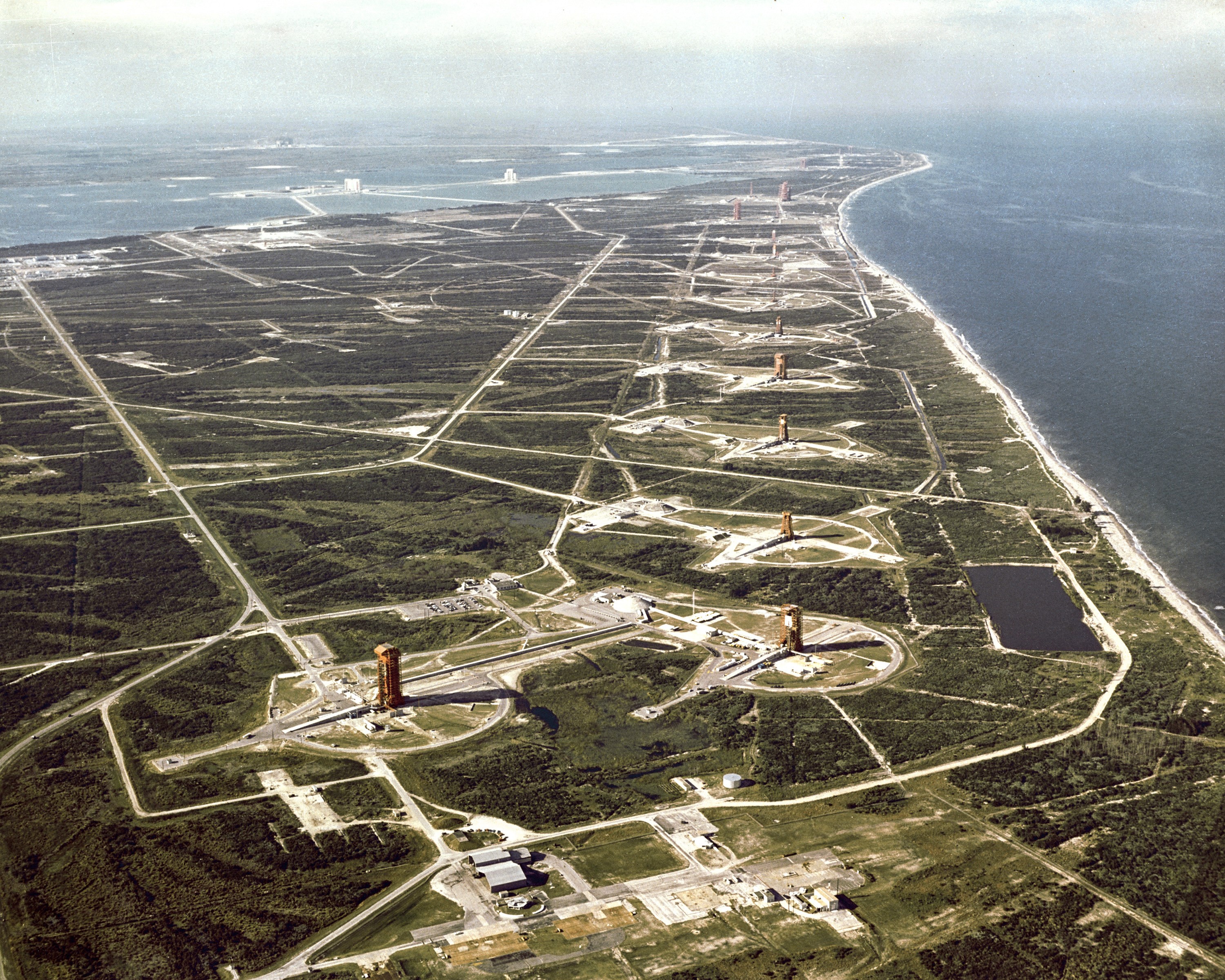
The City of Cape Canaveral incorporated on May 1, 1962, by a vote of 251 to 86 of registered residents. The new municipality covered about 1.9 square miles on the south end of the cape peninsula, south of the federal launch range and north of Cocoa Beach. The incorporation was driven by two forces: cape families displaced by the 1949 federal land acquisition who wanted local governance of the residential community that had grown up south of the missile range, and the wave of NASA and contractor employees who started moving to Brevard County in the late 1950s and wanted municipal services. The charter, ratified by the Florida Legislature as Chapter 63-1199 in 1963, established a council-manager form of government that the city still uses.
What the incorporation included
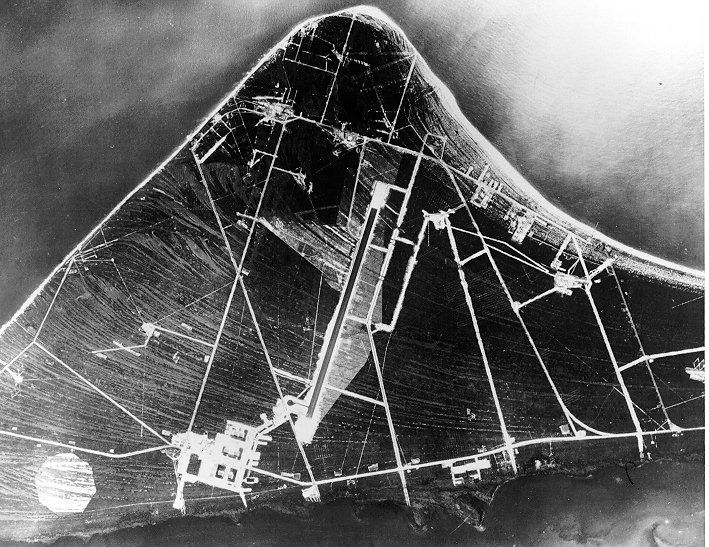
The 1962 charter incorporated approximately 1,225 acres bounded roughly by State Road 528 to the north (then called the Bee Line Expressway), the Banana River to the west, the Atlantic to the east, and what’s now Cape Canaveral Hospital and Lincoln Avenue to the south. The area included a few hundred existing homes, the original 1955-era Cape Canaveral Air Force Station support housing that had been built for civilian range workers, two motels, a small commercial strip, and several thousand acres of scrub and dune that the new city expected to develop.
The total population at incorporation was 1,529, per the 1960 census taken two years before. By 1965, the population had roughly doubled to 3,400. The growth came almost entirely from NASA and Air Force contractor employees who needed housing within commuting distance of the cape facilities and Kennedy Space Center.
Why incorporate
Two specific frustrations drove the push for incorporation. The first was zoning. Brevard County in the late 1950s had minimal land-use control on the cape peninsula. The Bee Line Expressway opening in 1959 had triggered a wave of speculative subdivision. Lots were being platted on dune land, in mosquito-control easements, and across drainage paths. Residents who wanted some control over what got built next door had two options: lobby the county commission in Titusville (which they had little leverage over) or incorporate and control their own zoning.
The second frustration was services. Brevard County provided minimal infrastructure on the cape: no city water, no sewer, no garbage collection, no police beyond the sheriff’s deputies patrolling the entire south county. Residents drilled wells, ran septic tanks, hauled trash, and called Cocoa or Cocoa Beach when something happened. Incorporation gave them the legal vehicle to fund municipal services through property tax and assessments.
The third reason, less stated but real, was the displaced cape families’ wish to preserve some identity tied to the name. The federal acquisition had effectively erased the village that had been called Cape Canaveral or Artesia. Incorporating a new municipality on the immediately adjacent ground, under the name Cape Canaveral, was partly a way of asserting that the community had not been wholly erased.
The 1962 vote
The incorporation petition went to a referendum on April 24, 1962. Of 401 registered voters in the proposed area, 337 voted: 251 yes, 86 no. The 75 percent approval was overwhelming for a Florida municipal vote.
Opposition came primarily from property owners who feared the tax increase. Cape Canaveral’s first millage rate, set at 4.5 mills in 1962, added roughly $45 to the annual tax on a $10,000 assessed home. That was significant in 1962 dollars but modest by Florida standards.
The first city council was elected May 22, 1962. Council seats went to George Roberts, Ed Howard, Sam Lewis, Don Pace, and Lewis Edwards. Roberts, a former cape resident displaced by the 1949 acquisition, served as the first mayor.
The charter
The Florida Legislature formally ratified the incorporation as Chapter 63-1199 of the Laws of Florida, signed by Governor Farris Bryant on June 14, 1963. The charter established:
- A five-member city council elected at large to staggered three-year terms.
- A council-elected mayor (later changed to direct election).
- A city manager appointed by council, with executive responsibility for daily operations.
- A municipal court (later abolished and merged with county court under the 1972 Florida court reform).
- Authority to levy property tax up to 10 mills, issue revenue bonds, and enact zoning regulations.
The charter has been amended many times since 1963. The fundamental council-manager structure remains.
What the new city built
Between 1962 and 1970, the new city built or established:
- A municipal water system, completed 1964, drawing from the artesian aquifer the cape sat on (the same source the original 1840s village had used).
- A central sewer system, completed 1968, replacing several thousand septic tanks.
- A police department, established 1963 with three sworn officers.
- A public library, opened 1965 in a converted residence on Polk Avenue.
- Cape View Elementary School, opened 1962 (technically a Brevard County school but built specifically to serve the new city).
- Manatee Sanctuary Park, dedicated 1969 on Banana River frontage.
The buildout was funded primarily by a combination of property tax, federal grants for water and sewer infrastructure, and developer impact fees as new subdivisions came online.
The cape’s two faces, 1962 to today
The 1962 incorporation created the situation that still confuses visitors: the cape has two distinct identities. North of State Road 528 (the Bee Line, now called the Beachline) is federal land: Cape Canaveral Space Force Station. South of 528 is the City of Cape Canaveral, a residential and small-commercial municipality of about 10,400 residents as of the 2020 census.
The same name, two completely different governance regimes. The federal cape is the launch facility, run by the US Space Force. The city of Cape Canaveral is a Florida municipality with a mayor and a council and a millage rate. Press releases sometimes confuse them. The city sometimes gets credit for SpaceX launches that happen 8 miles north on federal land. The federal range sometimes gets blamed for city zoning decisions it has no part in.
The city now
In 2026, Cape Canaveral is a city of about 10,400 in a coastal strip 1.9 miles long and about a mile wide. It has the highest density in Brevard County. The city government has stayed with the council-manager structure since 1963. The current city manager is Todd Morley, in office since 2018.
The city is not affluent. Median household income is below the Brevard County average. The housing stock is heavily 1960s and 1970s. Hurricane risk is high. The cruise port economy and tourism drive most of the tax base.
But the city exists. The cape did not, in the end, get entirely erased by the federal acquisition. The residents who chose to stay, plus the NASA-era arrivals who chose to settle there, built a Florida municipality that has now persisted for 64 years. The cemeteries on the federal range are one form of continuity. The city government is the other.
Further Reading
As an Amazon Associate we earn from qualifying purchases.