About this publication
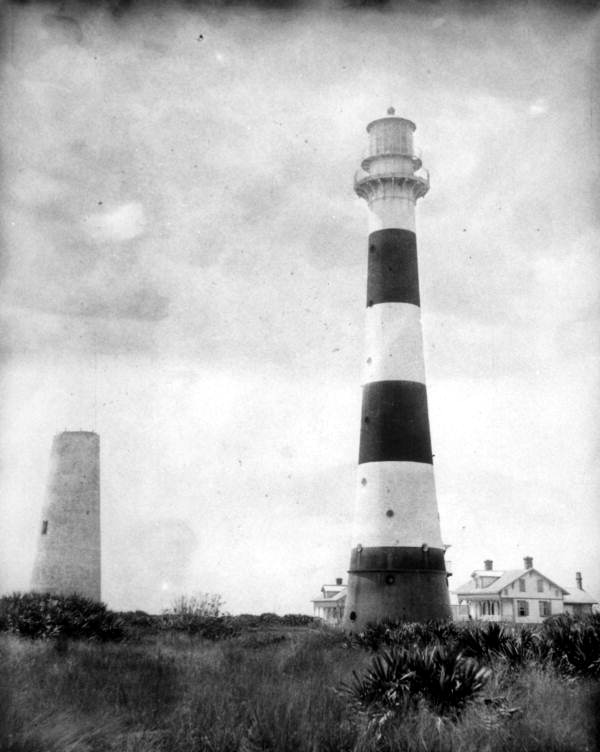
The lighthouse was here 102 years before the first rocket.
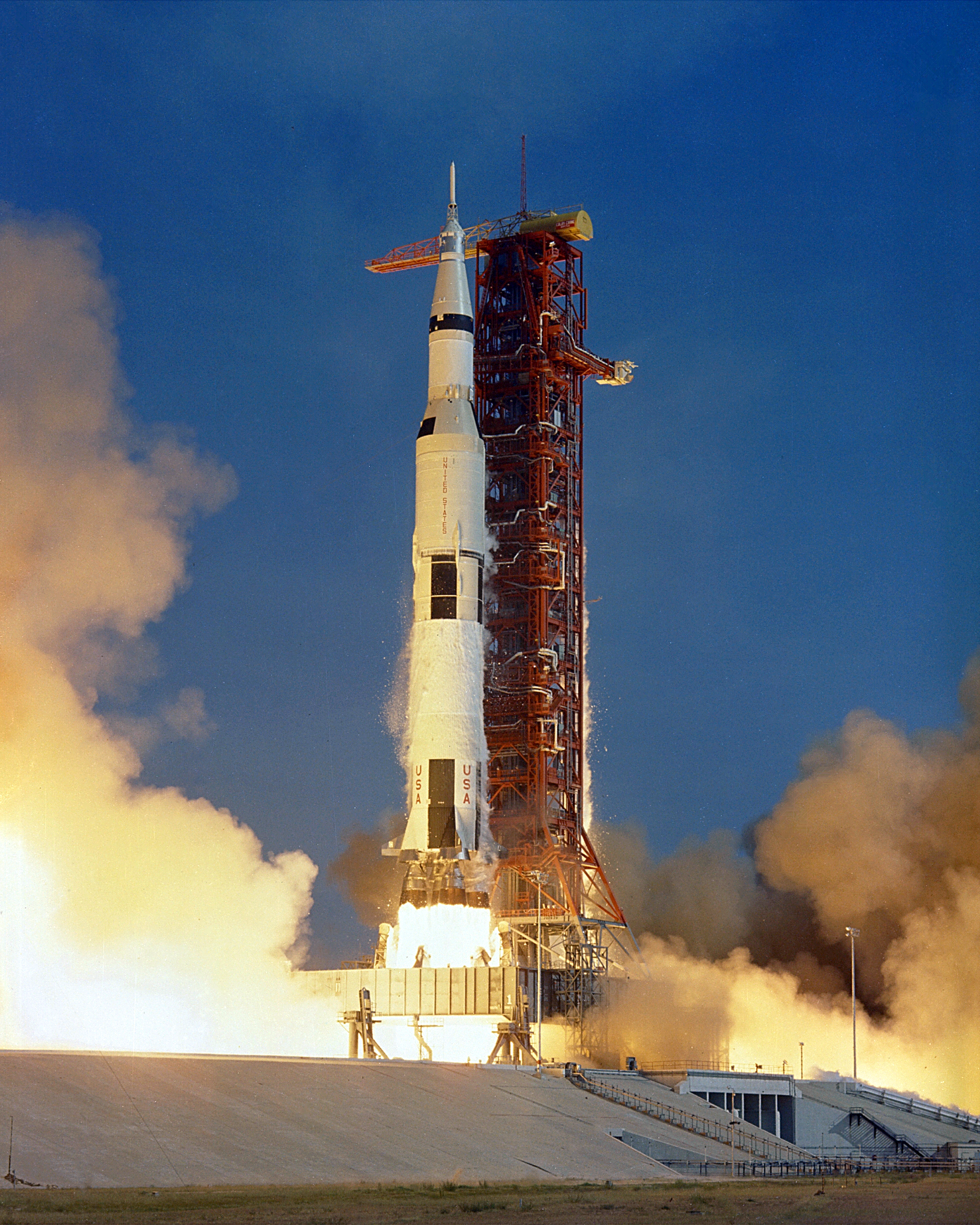
The first lighthouse at the cape was finished in January 1848, according to the state historical marker at the light station. The first rocket launched from the cape, Bumper 8, went up on July 24, 1950. In between came the keepers, the Burnham family above all, the 1868 iron tower, its move inland in 1893 and 1894, and a Navy seaplane base on the Banana River. After 1950 came Mercury, Gemini, the early Apollo flights and the range that still runs out over the Atlantic.
What this site covers
Cape Canaveral is three places on one stretch of coast: the geographic cape, now Cape Canaveral Space Force Station; the City of Cape Canaveral to the south, incorporated in 1963; and Port Canaveral, dedicated in 1953. Kennedy Space Center, on Merritt Island across the Banana River, is NASA's, and the two are often confused. This site covers the cape's lighthouse, the Ais who lived along the river to the south, the proving ground and its range, the launches from the cape's own pads, the renaming to Cape Kennedy and back, and the port.
Corrections
Send corrections, with a source if you have one, to hello@oldcapecanaveral.com. We check them and correct the article, and its updated date changes with it.