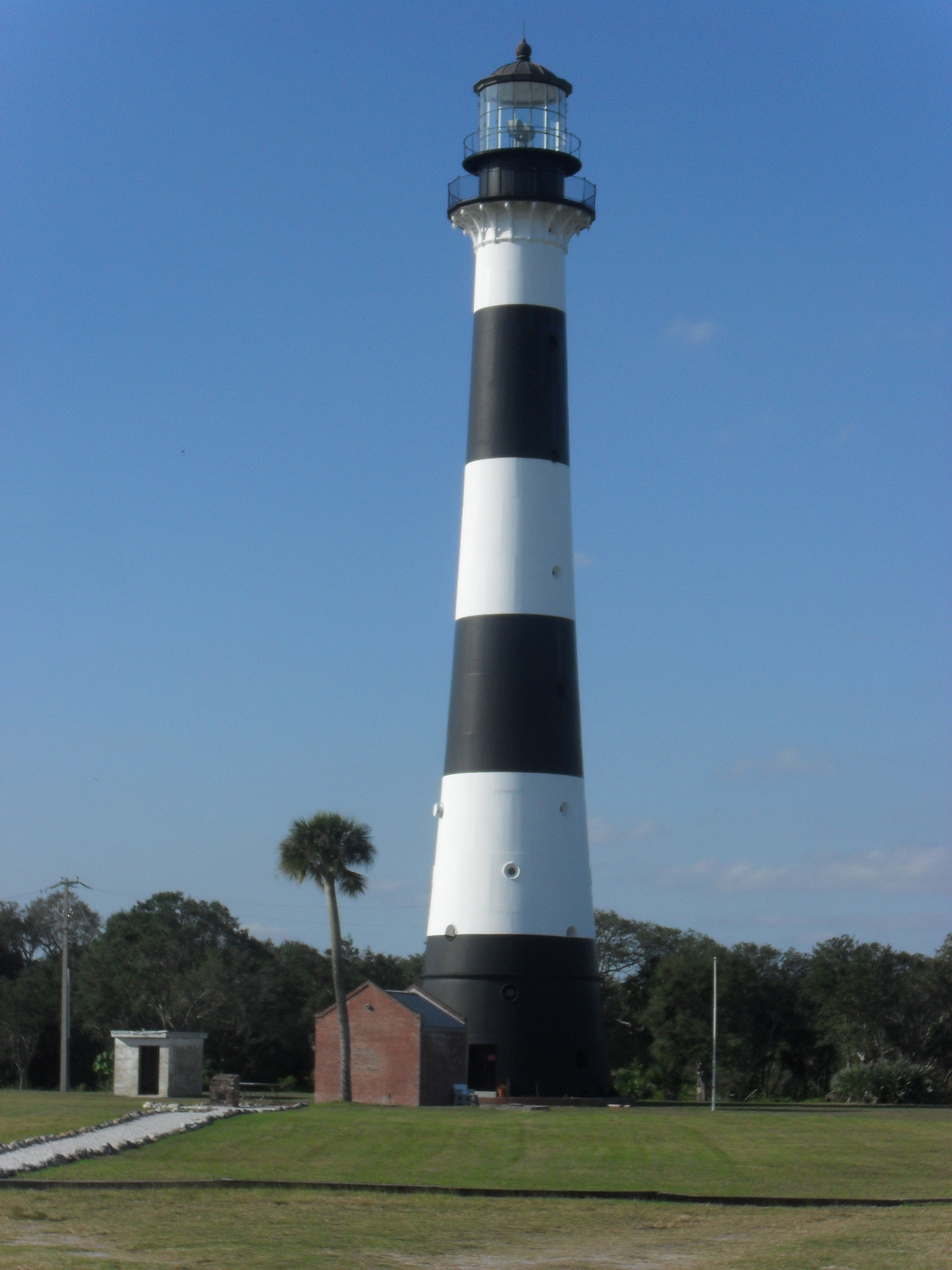
Cape Canaveral Florida Since 1565
A working lighthouse, a rocket range, and a town that survived getting moved.
Cape Canaveral is older than NASA by a century. The 1848 lighthouse still works. The fishing village got bought out in 1949 and rebuilt itself. The launch pads keep firing. Old Cape Canaveral covers all of it.
Latest articles
-
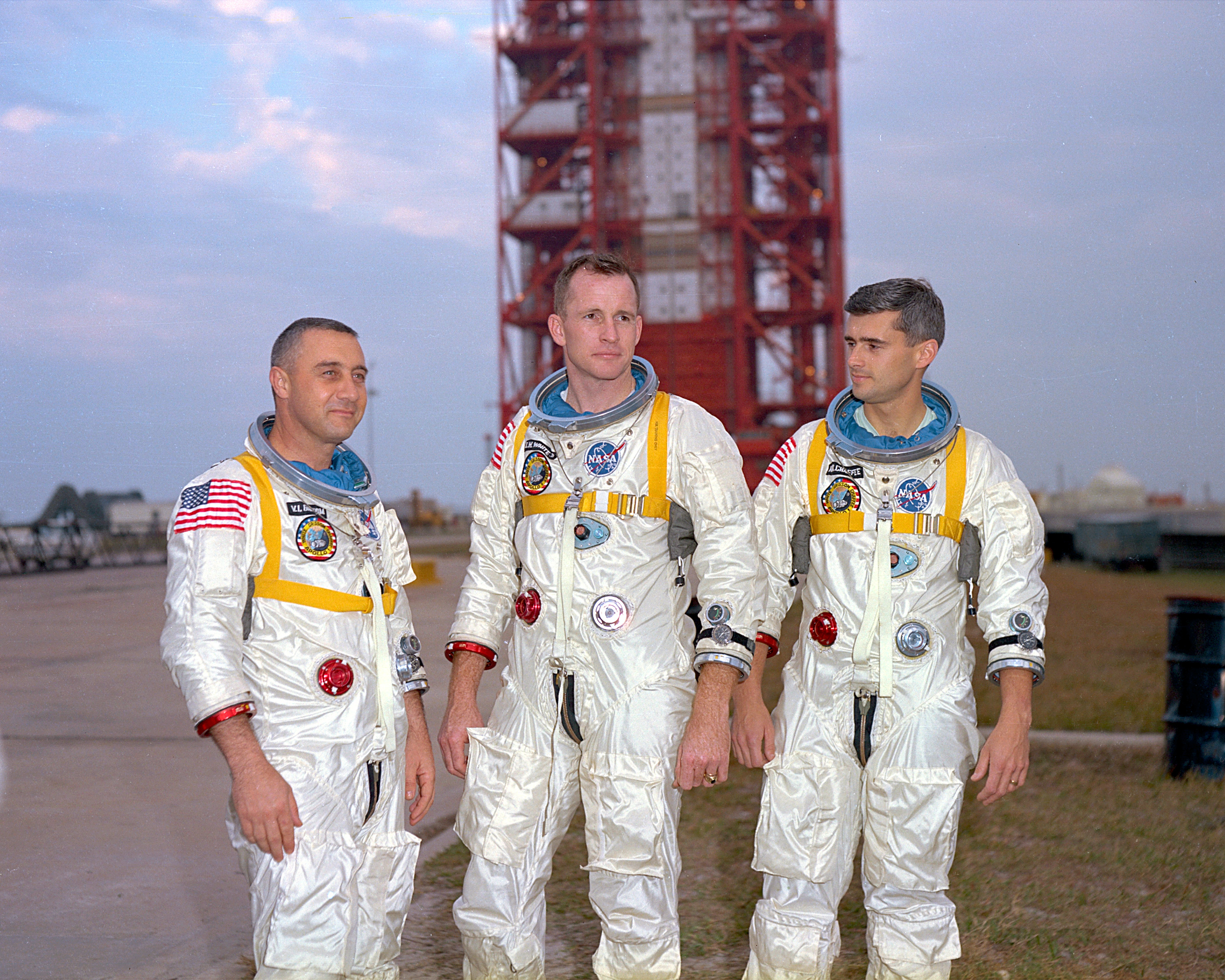
Apollo 1 and Launch Complex 34 : January 27, 1967
The Apollo 1 pad fire killed Gus Grissom, Ed White, and Roger Chaffee on the cape on January 27, 1967. The launch complex is now a national memorial. The accident reshaped the entire Apollo program.
April 2026 -
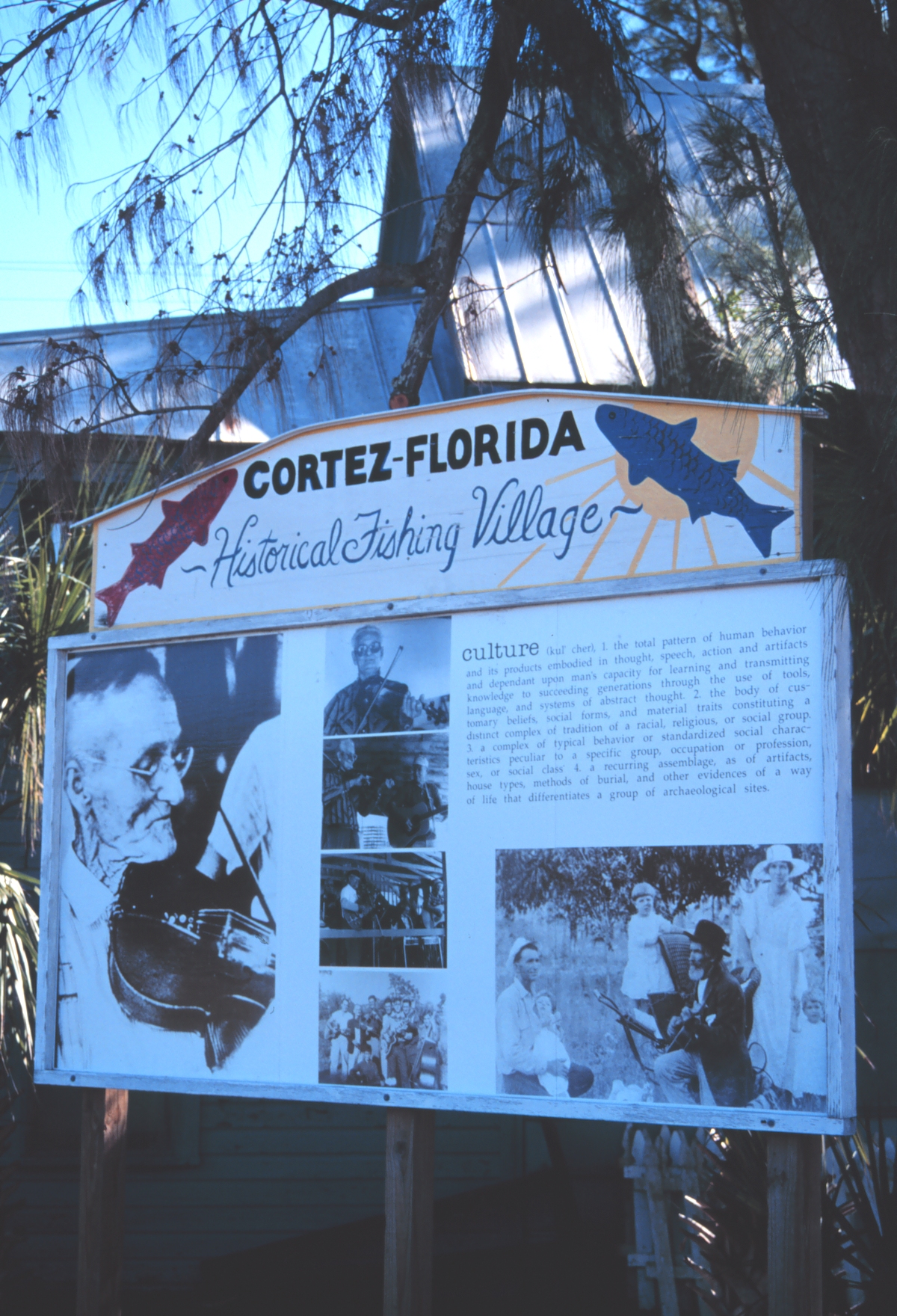
What we lost when the cape became a rocket range
An editorial accounting. The cape's federal acquisition gave the country a launch range and gave the cape's families a 75-year erasure. Both happened. Both should be named.
March 2026 -
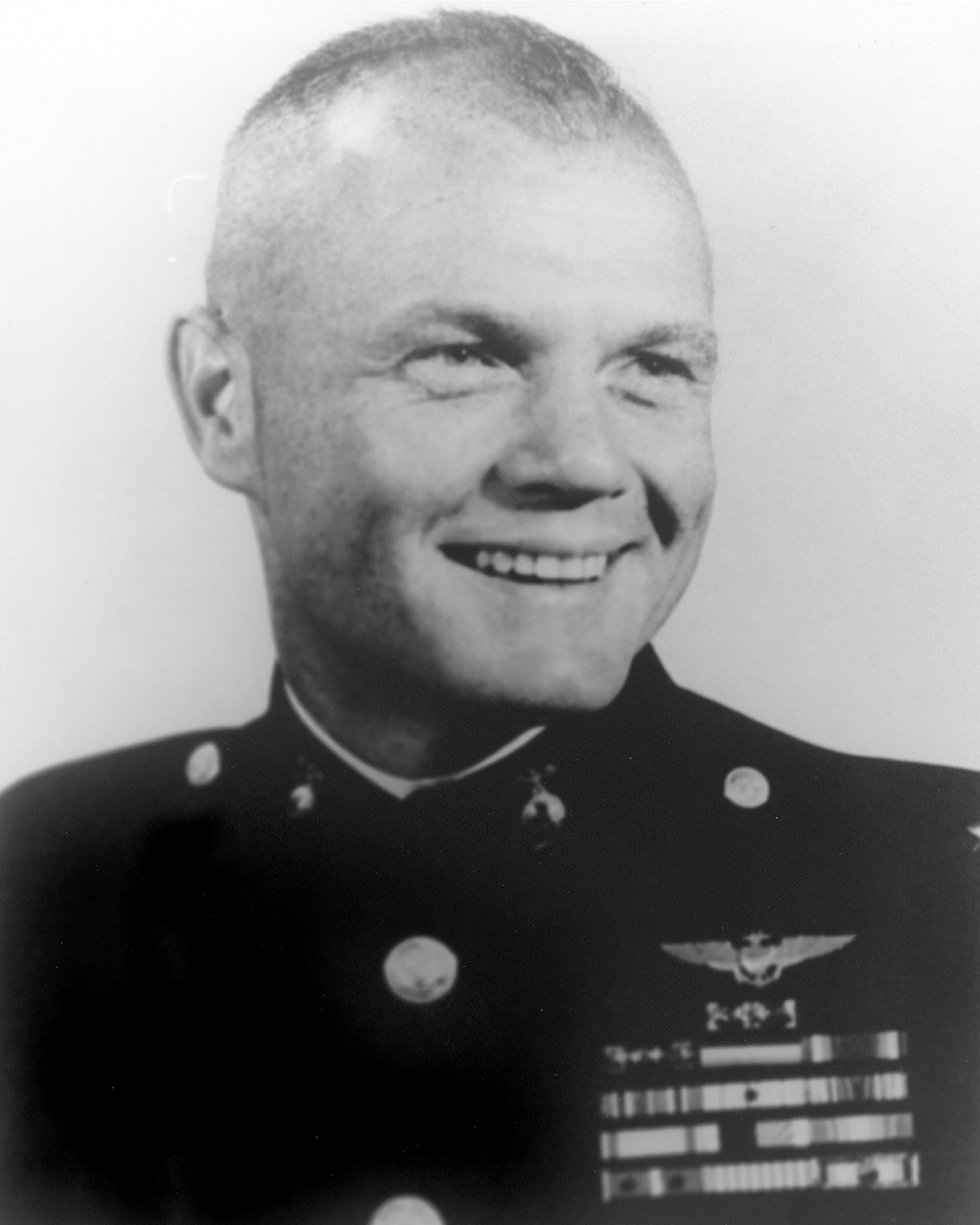
1961 : The Bay of Pigs and the case for Mercury
John F. Kennedy was inaugurated January 20, 1961. The Bay of Pigs invasion failed April 17. Yuri Gagarin orbited April 12. The case for accelerated American spaceflight was made that spring.
March 2026 -
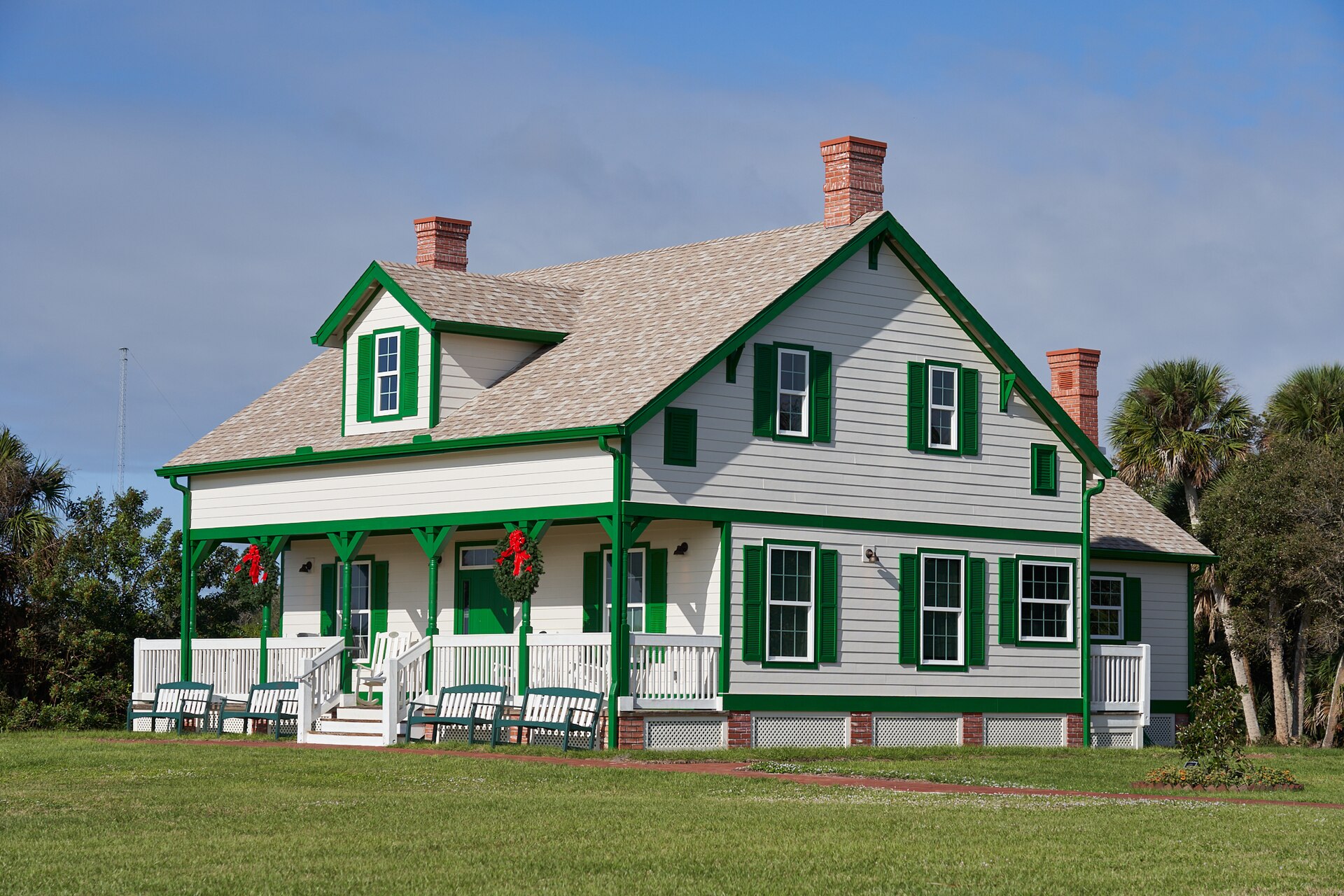
Cape Canaveral schools : from the 1898 one-room schoolhouse to today
The cape's school history runs from an 1898 one-room schoolhouse near the lighthouse to the modern Brevard County school system. Consolidation, NASA-era growth, and the cape's two school identities.
March 2026 -
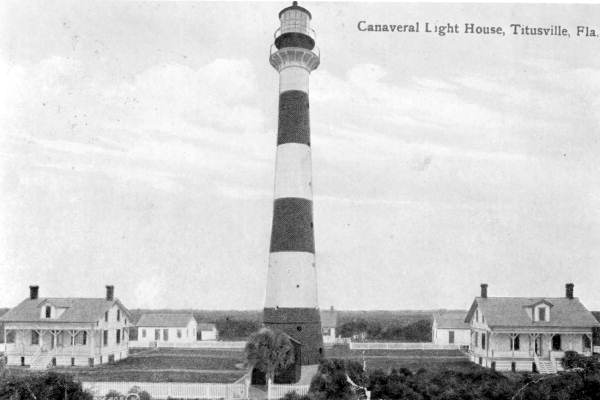
The Cape Canaveral cemeteries : pre-1949 graves on a launch range
Two small cemeteries on Cape Canaveral Space Force Station hold burials from the cape's pre-1949 fishing village. Descendants can request access. The graves themselves cannot be moved.
March 2026 -
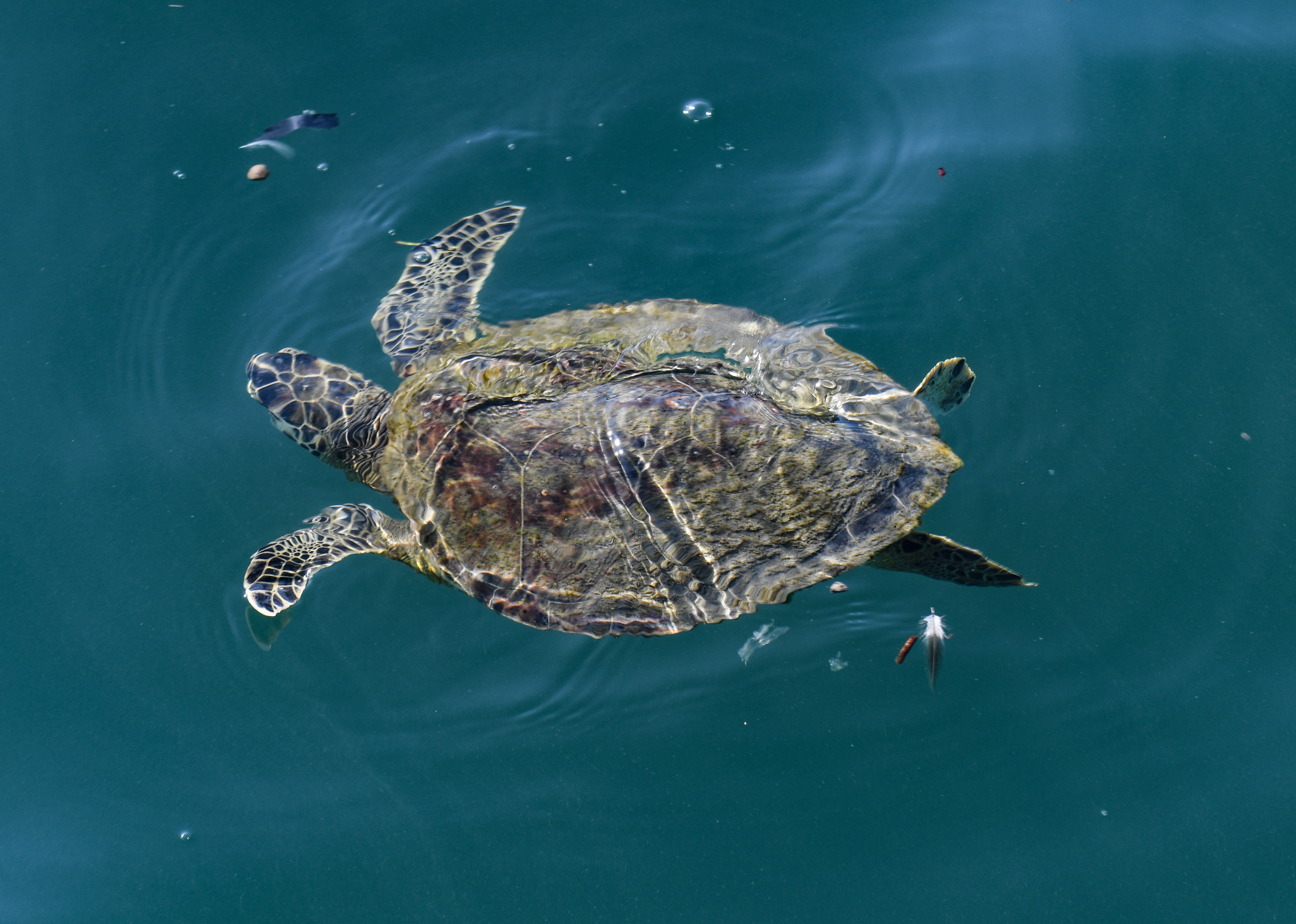
Jetty Park : Port Canaveral's south jetty turned public park
The south jetty at Port Canaveral's channel entrance was federal property until 1989, when it became Jetty Park. The 35-acre park is the cape's best public launch-viewing spot.
March 2026
Common questions about Cape Canaveral history
- How old is the Cape Canaveral Lighthouse, and why is it set back from the shoreline?
The first lighthouse at the cape was a 65-foot brick tower that became operational on May 10, 1848. After mariners complained its light was too short-range, the Lighthouse Board replaced it with a 145-foot iron tower in 1868. Atlantic erosion then threatened that tower, so in 1894 workers disassembled it and moved it 1.25 miles inland to its present site, where it still operates as the only lighthouse on an active U.S. military launch range.
- What was Cape Canaveral's first rocket launch?
The cape's first launch was Bumper 8, which lifted off at 9:28 AM Eastern on July 24, 1950, from Launch Complex 3. It was a two-stage vehicle: a captured German V-2 first stage topped with an American WAC Corporal second stage. The flight served as a range proving exercise for the Joint Long Range Proving Ground, and Bumper 7 followed it five days later on July 29, 1950.
- Why was Cape Canaveral renamed Cape Kennedy, and why did it change back?
President Lyndon Johnson renamed the peninsula Cape Kennedy by Executive Order 11129 on November 28, 1963, six days after John F. Kennedy was assassinated. The change was unpopular in Florida, where residents valued the centuries-old Spanish-derived name, so the Florida Legislature passed a bill in 1973 to revert the geographic name, effective October 9, 1973. The NASA facility on Merritt Island kept the name John F. Kennedy Space Center.
- What happened to the town that existed at Cape Canaveral before NASA?
Before the launch pads, the cape was a fishing and citrus community of roughly 250 to 300 year-round residents, known as Artesia after the natural artesian wells near the lighthouse, with two cemeteries, a one-room schoolhouse, a packing house, and a post office. The federal government bought out almost everyone through 1949 condemnation proceedings at prices averaging $200 per acre, and by 1953 the cape was federal land, with the village bulldozed for launch complexes and only the two cemeteries remaining.
Free · No tracking · Unsubscribe anytime
Get the next article.
New articles when we publish.
What this site is
Cape Canaveral is the city, the Air Force station, and Port Canaveral. Three things, one peninsula, nearly four centuries of recorded history. The Spanish met the Ais here in 1565. The first lighthouse burned whale oil. The first rocket left the ground in 1950. Old Cape Canaveral covers the full record.