Cape Kennedy and back, 1963 to 1973
Lyndon Johnson renamed Cape Canaveral as Cape Kennedy six days after JFK's assassination. Florida changed it back ten years later. The federal facility kept the Kennedy name. The peninsula did not.
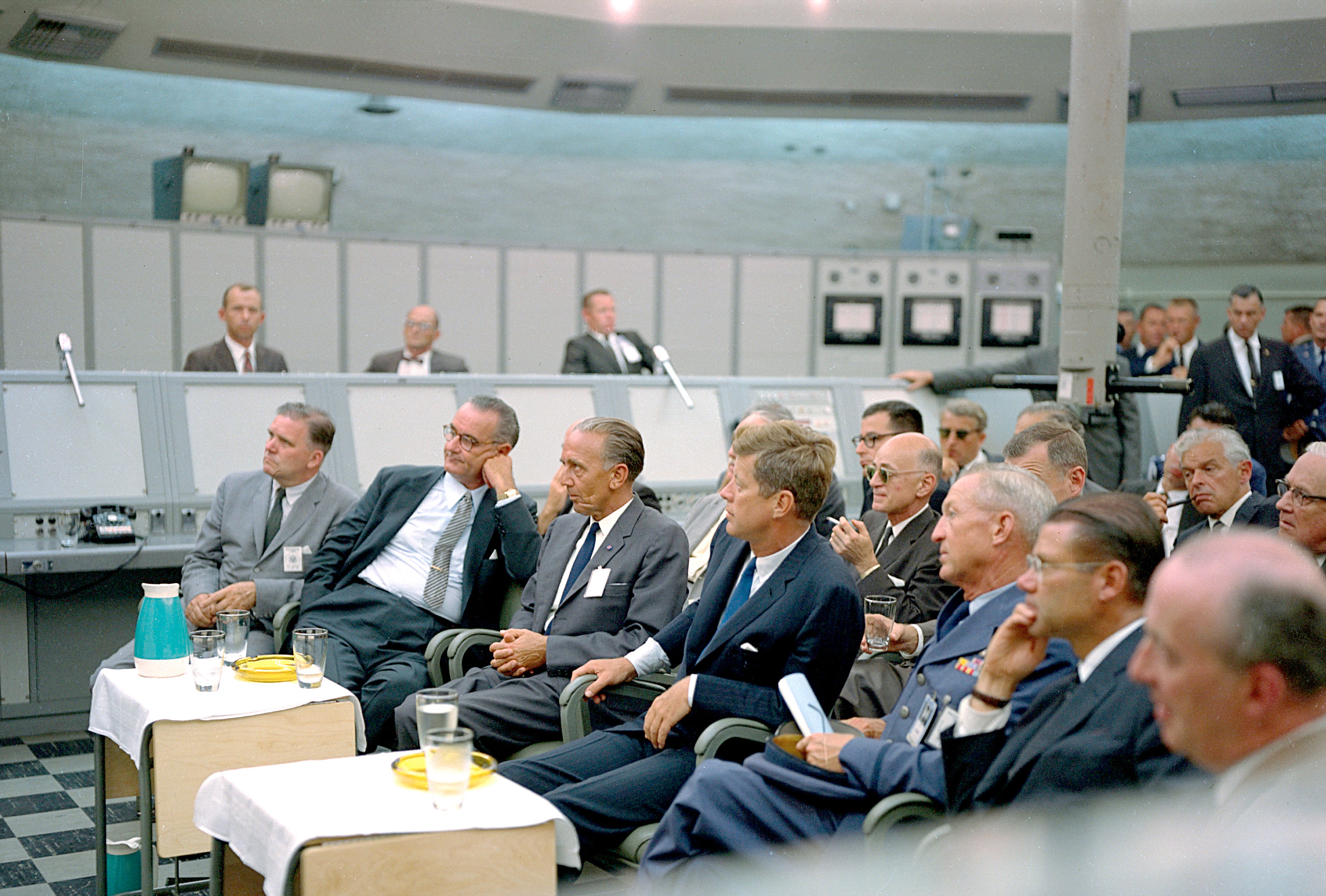
President Lyndon Johnson renamed Cape Canaveral as Cape Kennedy on November 28, 1963, six days after John F. Kennedy was killed in Dallas. The new name was applied to both the peninsula (a geographic feature) and the NASA facility (the Launch Operations Center on Merritt Island, which became the John F. Kennedy Space Center). The peninsula’s renaming was unpopular in Florida from the start. The Florida Legislature passed Senate Bill 218 in 1973 reverting the geographic name. The federal facility kept the Kennedy name. Since 1973, the peninsula has been Cape Canaveral and the NASA facility has been Kennedy Space Center. The two coexist with no contradiction.
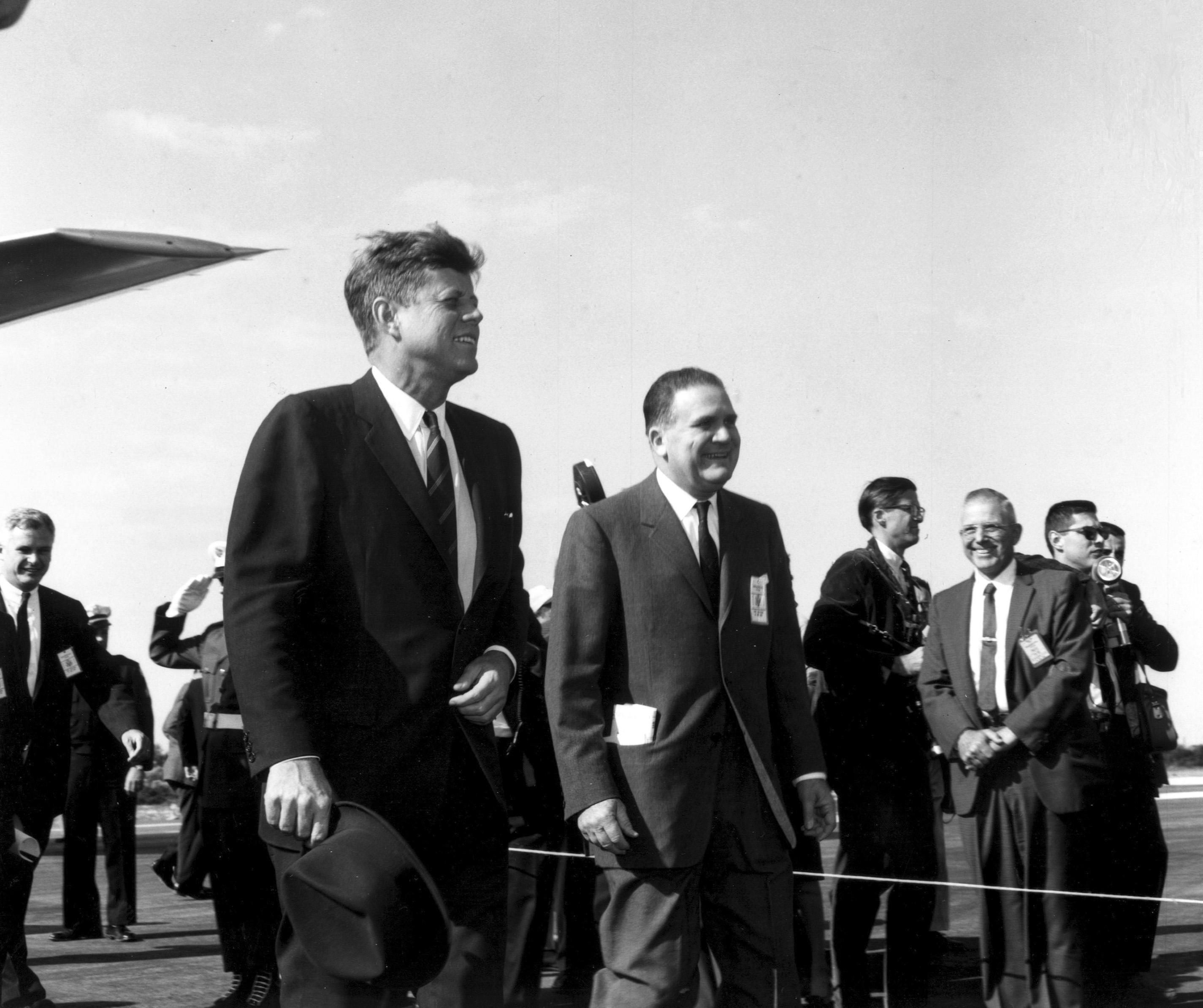
The Johnson renaming
Jacqueline Kennedy reportedly suggested the renaming to Lyndon Johnson within days of the assassination. JFK had visited the cape twice (November 1962 and November 1963), and the moon program was identified with him personally through the 1961 “before this decade is out” speech to Congress. The renaming was meant as a memorial gesture.
Johnson signed Executive Order 11129 on November 28, 1963, six days after the killing. The order renamed both the Cape Canaveral peninsula and NASA’s Launch Operations Center on adjacent Merritt Island. The executive order had the legal force to rename the federal facility immediately. The geographic name change required US Board on Geographic Names approval, which came on December 9, 1963.
Florida’s existing place names operate independently of federal renaming. The Florida Department of Natural Resources, which maintains the state’s official geographic registry, did not have to accept the federal change. It did accept it, though, in a December 1963 administrative action that aligned the state register with the new federal name.
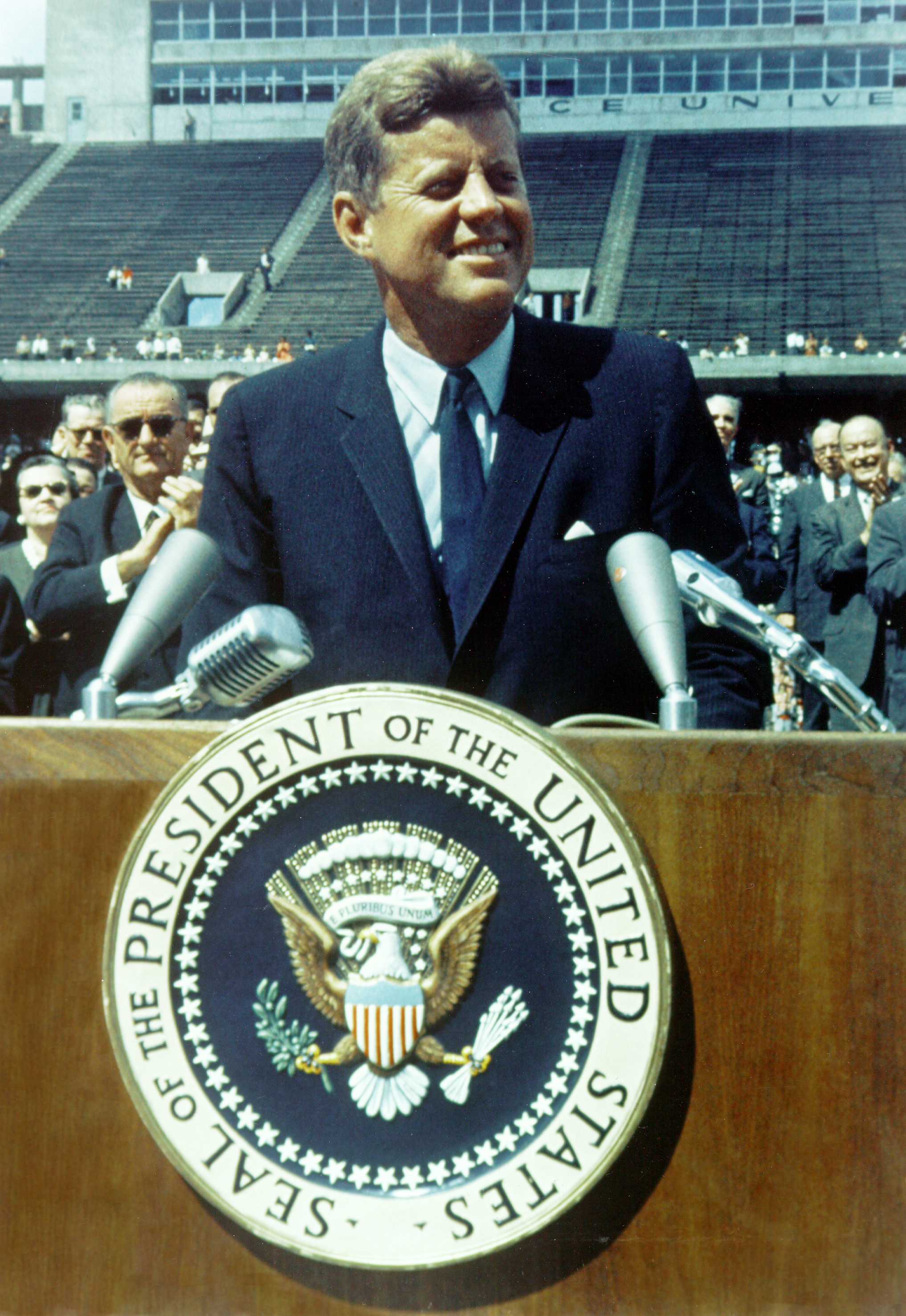
Why Florida hated it
The renaming was controversial in Florida for three reasons.
First, Cape Canaveral was old. The name appeared on Spanish maps from the 1560s. It is one of the oldest European-given place names in North America still in use. Brevard County residents, including the displaced cape families who had been relocated by the 1949 federal land acquisition, considered Canaveral their inheritance, not Washington’s to rename.
Second, the renaming felt like an additional federal imposition on top of the original 1949 land taking. The cape had already lost its village and its agricultural economy to the rocket range. Losing the name itself was felt as a final insult.
Third, the renaming was implemented without consultation. The Brevard County Commission passed a resolution opposing the change on December 17, 1963, three weeks after Johnson’s executive order. The county had not been notified or consulted before the federal action.
The 1973 reversion
Florida State Senator Henry Sayler of Pinellas County introduced the reversion bill on April 16, 1973. The bill restored the name Cape Canaveral to the peninsula effective October 9, 1973. The federal facility on Merritt Island kept the Kennedy Space Center name.
The legislative votes were lopsided. The Florida Senate passed the bill 35-2. The Florida House passed it 90-13. Governor Reubin Askew signed the bill on May 18, 1973.
The federal government accepted the state’s reversion of the geographic name with no resistance. The US Board on Geographic Names updated its registry in October 1973. The cape was officially Cape Canaveral again.
The Kennedy family response
The Kennedy family did not contest the reversion publicly. Robert F. Kennedy had been assassinated in 1968, and the surviving family was less focused on the cape name. Edward Kennedy issued a statement in 1973 acknowledging Florida’s right to rename the geographic feature and noting that the NASA facility name remained.
Privately, some Kennedy associates expressed disappointment. Theodore Sorensen, JFK’s speechwriter, wrote in a 1995 essay that the cape reversion felt like Florida’s small-minded reclamation of a name from a man who had elevated the place. Florida’s view was the opposite: a man might be famous, but a 400-year-old place name belongs to the place.
The current naming convention
In 2026, the situation is stable. The peninsula is Cape Canaveral. The federal launch facility on the peninsula is Cape Canaveral Space Force Station (renamed in 2020 from Cape Canaveral Air Force Station). The adjacent NASA facility on Merritt Island is John F. Kennedy Space Center. The Brevard County municipality on the south end of the peninsula is the City of Cape Canaveral, incorporated 1962.
Press releases occasionally still confuse the names. CNN and CBS have run “Cape Canaveral, also known as Cape Kennedy” qualifiers as recently as 2020. The qualifier is technically incorrect: the geographic name has been Cape Canaveral since 1973, with no formal duality. The federal facility is Kennedy Space Center. The peninsula is Cape Canaveral.
Executive Order 11129 and the Thanksgiving evening broadcast
Johnson’s announcement came on a televised Thanksgiving evening address, six days after the assassination. The text of Executive Order 11129 was concise. It renamed the launch facility from NASA’s Launch Operations Center to the John F. Kennedy Space Center. It declared that the geographic feature called Cape Canaveral be renamed Cape Kennedy. It instructed the Department of the Interior and the US Board on Geographic Names to update federal records to reflect the change.
The order was unusual in that it combined a federal property renaming, which was straightforwardly within executive authority, with a geographic-feature renaming, which traditionally required Board on Geographic Names review. The Board approved the geographic change on December 9, 1963, but the speed of approval was itself a departure from the Board’s normal multi-year deliberation. Several Board members later acknowledged in oral histories that the bureaucratic process was compressed under presidential pressure.
The combined move folded the federal-facility name (clearly the president’s to set) into the geographic name (traditionally the state’s to defend) in a single ten-day window. Florida had no formal chance to object.
The Spanish-period claim Florida cited
The reversion campaign in Florida leaned on the documentary record of the name Canaveral on European maps. Spanish pilots used the name as early as the 1521-1525 voyages of Francisco Gordillo, which the Smithsonian Institution lists as the earliest documented Spanish use. The 1584 La Florida chart by Geronimo de Chaves labels it C. de Cañaveral. The name means reed bed in Spanish, after the marsh cane the early sailors saw along the lagoon.
The Brevard County Commission’s December 17, 1963 resolution opposing the renaming cited this 440-year continuity directly. State Senator Henry Sayler used the same framing when he introduced the reversion bill in 1973: the cape’s name was older than any state, any nation, any president, and predated the United States by 255 years. The bill’s rhetoric was unusually emphatic on the historical point. Florida did not want to remove Kennedy’s name from the moon program. It wanted to remove the federal hand from the peninsula.
The cape’s lesson
The 1963 renaming was meant as memorial, the 1973 reversion was meant as restoration. Both were sincere. Neither was final. The cape outlasted the renaming and the reversion both. It has been on Spanish, French, English, and American maps for 463 years. Lyndon Johnson held its name for ten of those years. Florida reclaimed it for the other 453.
Names move slowly. Places hold them longer than presidents.
Further Reading
As an Amazon Associate we earn from qualifying purchases.